
Controlling biting insects has emerged as a major public health priority in 2026. This article explores both traditional and high-tech methods to keep mosquitoes away from your everyday surroundings. You will discover why using a homemade mosquito repellent can serve as a useful first line of defense, while also understanding its limitations against the spread of the tiger mosquito. This guide is essential for anyone looking to protect their home for the long term by combining natural remedies with scientific innovations.
Garden reclaimer is a pioneer in eco-friendly pest management innovation. Our expertise is built on an integrated approach that prioritizes ecosystem preservation. By leveraging cutting-edge technologies—specifically 3D printing to design ultra-precise capture devices—Garden reclaimer delivers high-performance solutions. Unlike invasive chemical methods, our mosquito trap systems specifically target disease-carrying vector species, ensuring a safe, healthy environment for families.
What are the best natural repellents to keep mosquitoes away from your home?
The use of plant-based repellents continues to grow in popularity as the warm weather returns. Among the most popular options are essential oils extracted from plants with volatile aromatic compounds. These substances work by masking body odors, such as carbon dioxide, which attracts mosquitoes to their hosts. Creating a natural repellent often involves using geranium or peppermint oils, renowned for their immediate repellent action.
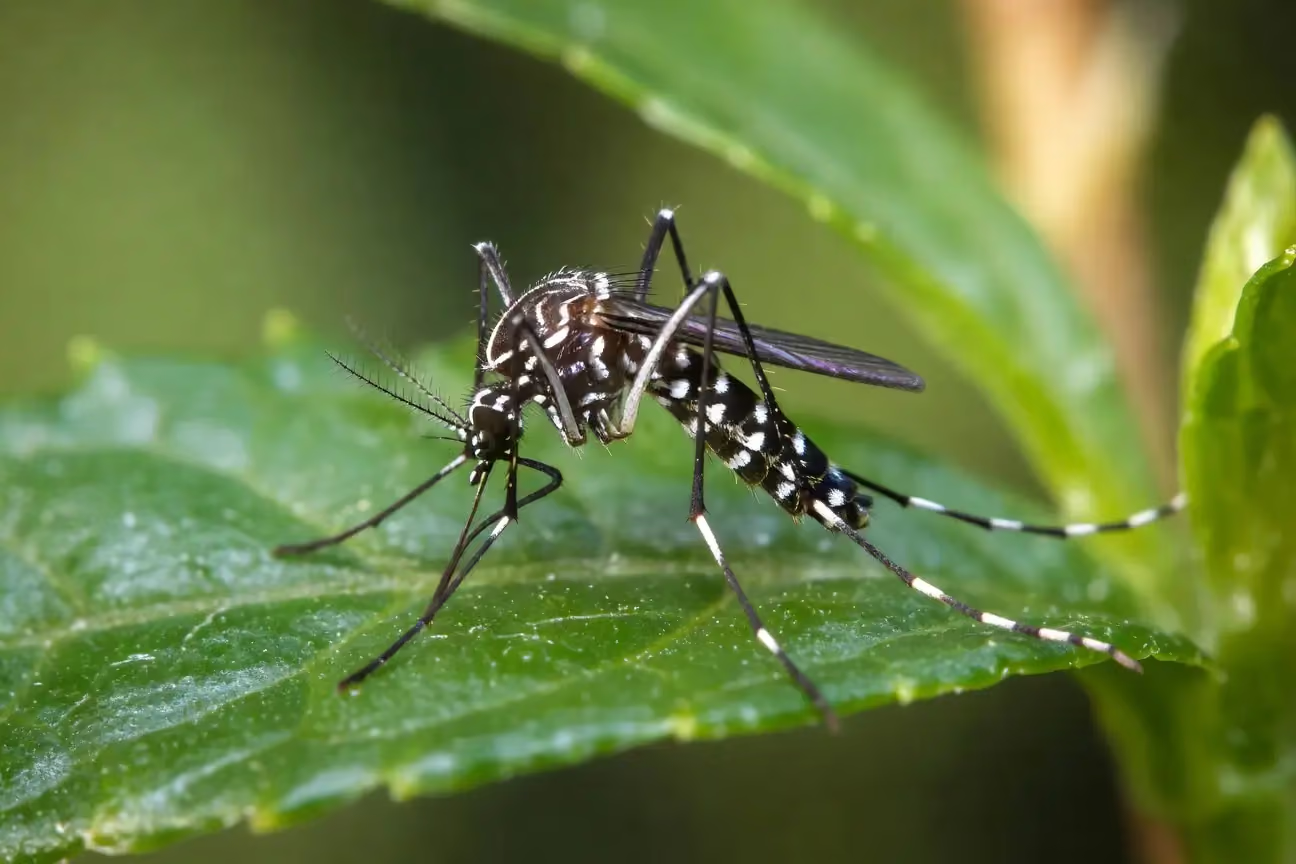
However, it is important to note that not all mosquitoes react to scents in the same way. Various mosquito species, including the common house mosquito (Culex) and the aggressive tiger mosquito (Aedes albopictus), possess highly developed olfactory sensilla. A natural repellent may provide temporary relief, but its effectiveness wears off quickly outdoors. To keep these insects away more permanently, it is often necessary to combine these remedies with physical barriers or more advanced capture technologies.
Why does citronella remain a traditional remedy for repelling mosquitoes?
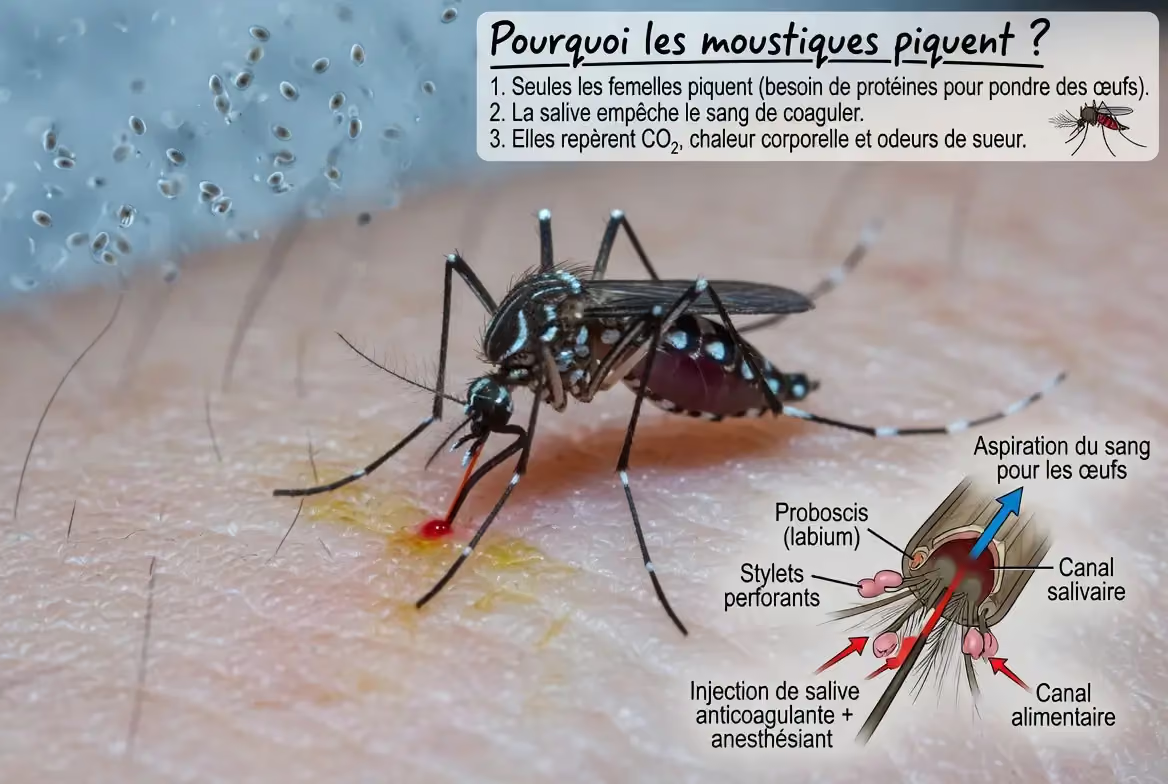
Citronella is undoubtedly the most famous remedy for scaring off mosquitoes. Used in the form of oil, candles, or potted plants, it releases compounds that disrupt the sensory system of the female mosquito. In fact, only the female bites, needing the protein from blood to develop her eggs. While citronella candles are a staple on patios and decks, their effectiveness is limited to a very small area and drops significantly with even a light breeze.
Science shows that the effect of citronella comes from natural chemical compounds that interfere with the insect’s olfactory receptors. However, this effective solution typically lasts only a few dozen minutes. Mosquitoes dislike the scent, but they can eventually get used to it or simply bypass the scented zone. To keep these pests away for good, citronella should be viewed as a supplemental measure rather than complete protection, especially in areas where mosquitoes can transmit viruses such as dengue or chikungunya.
Are cloves and lemon an effective mosquito repellent?
One of the most widely shared home remedies involves studding halved lemons with cloves. This combination releases an aromatic scent believed to keep mosquitoes away from living spaces. People typically place these lemons on window sills or outdoor tables. While the aroma is pleasant to humans, it acts as a deterrent signal for many mosquito species.
Charming as it is, this approach to deterring the tiger mosquito has its limits. Cloves contain eugenol, a compound with natural insecticidal properties, but its airborne concentration is usually far too low to kill mosquitoes or even keep them at bay during a heavy infestation. If you live in an area where mosquitoes bite aggressively, this type of DIY remedy may ease minor nuisances, but it is no substitute for a pharmaceutical-grade mosquito repellent or quality mosquito netting.

Which DIY mosquito repellent can be used by pregnant women?
Protection against mosquitoes is vital for pregnant women, as diseases like the Zika virus can lead to severe complications. However, caution is essential when it comes to synthetic chemical insecticides. Any [homemade mosquito repellent] made with plant-based oils must be formulated with great care. It is best to opt for the gentlest alternatives. Using diluted apple cider vinegar or select, highly specific essential oils (strictly avoiding those prohibited during pregnancy) can offer a safer route.
It is imperative that pregnant or breastfeeding women consult a healthcare professional before applying potent oils to their skin. In many cases, the best approach remains physical barriers: wearing long-sleeved clothing and fitting windows with screens. To safely keep insects away, Garden reclaimer offers chemical-free trapping systems that are ideal for protecting pregnant women.
Why is coffee ground used to drive mosquitoes away from the garden?
Burning coffee grounds is often touted as an inexpensive way to drive mosquitoes away. Lighting dried coffee grounds produces a thick smoke and a pungent aroma that mosquitoes absolutely hate. This is a popular backyard trick during hot weather when people want to enjoy an outdoor dinner. The smoke works mechanically by confusing the sensory organs of the biting mosquito, leaving it unable to track its target.
However, this method has its drawbacks: the burnt smell can be unpleasant, and the smoke is far from ideal for anyone with respiratory issues. What's more, it won't help you get rid of mosquitoes for good. It is merely a temporary fix that does nothing to eliminate larvae thriving in planters or standing water. For lasting control, the best strategy is targeting the insect’s life cycle using tools like Garden reclaimer’s selective mosquito traps.

How can you soothe itching after a mosquito bite?
Despite taking every precaution, you can still end up with mosquito bites. The bite triggers a localized inflammatory reaction caused by the saliva injected by the female mosquito, resulting in an itch that can become unbearable. Several solutions can help soothe the discomfort. White vinegar, for instance, has natural antiseptic and calming properties. Applying a vinegar-soaked compress helps partially neutralize the irritants and reduce itching.
In addition to vinegar, certain essential oils such as spike lavender are renowned for relieving swelling. However, they should be used with caution, particularly on children. If a bite becomes excessively painful or shows signs of infection, medical advice is essential. When it comes to avoiding bites, prevention remains paramount. Garden reclaimer helps minimize these risks by drastically cutting down the mosquito population around your home through bio-inspired trapping technology.
Why is lemon eucalyptus a superior mosquito repellent?
Lemon eucalyptus contains PMD (para-menthane-3,8-diol), a compound whose effectiveness against mosquitoes is scientifically proven. Unlike traditional citronella, PMD provides significantly longer-lasting protection that rivals synthetic repellents like DEET, but from a plant-based source. That is why lemon eucalyptus is frequently the active ingredient in the top mosquito repellents on the market.
Using this eucalyptus as a spray creates a persistent scent barrier. It is especially recommended for repelling mosquitoes in areas plagued by tiger mosquitoes. This mosquito repellent can also be used by adults and, depending on the formulation, older children, provided all standard precautions are taken. It is one of the few natural ingredients that public health authorities endorse for combating diseases like malaria and dengue in high-risk regions.
What biological factors attract mosquitoes to human skin?
It can be infuriating when mosquitoes seem to bite some people far more than others. Several factors drive this preference: the release of carbon dioxide during breathing, body heat, and, above all, the unique scent signatures produced by skin microbiota. Lactic acid and ammonia in sweat are powerful cues that attract mosquitoes. The more heat and volatile compounds a person gives off, the higher they rank as a prime target for a female mosquito.
Tiger mosquitoes are exceptionally sensitive to these cues. Unlike other mosquito species, they hunt primarily during the day, making daytime protection essential. Understanding these behaviors helps you choose the right repellent. That said, masking your scent isn't always enough. That is where Garden reclaimer’s innovation comes in: our traps use complex scent lures that mimic human skin in a way that is far more appealing than you are, effectively diverting mosquitoes straight into the capture chamber.

Why choose Garden Reclaimer traps over electric diffusers?
Electric plug-in diffusers that you plug into a wall outlet often release pyrethroids—insecticides that can irritate people and prove toxic to pets as well as beneficial insects like bees. While they may kill mosquitoes in an enclosed room, their health and environmental impact raises legitimate concerns. In addition, they often require you to keep a window open for ventilation, which can counterproductively let new pests right in.
The mosquito traps engineered by Garden reclaimer take a completely different approach. Using 3D-print-optimized designs, our systems generate targeted airflows and temperature gradients that capture insects without any toxic chemicals. Built for outdoor use, our solutions create a protective shield around your home. It’s an effective solution that safeguards biodiversity while preventing you from getting bitten by mosquitoes. By choosing Garden reclaimer, you are investing in sustainable, healthy mosquito-control technology.
What precautions should you take to avoid bites in hot weather?
When the weather gets warm, insect activity intensifies. To avoid mosquito bites, it is essential to adopt simple yet rigorous habits. Avoid leaving stagnant water in vases or saucers, as that is where mosquitoes breed. Wear light-colored clothing, as dark colors tend to absorb heat and attract more insects. Using a mosquito net remains the most reliable way to sleep with the window open without worry.
Here is a list of habits to adopt:
- Empty containers of stagnant water once a week.
- Use a lemon eucalyptus spray when heading outdoors.
- Install Garden reclaimer mosquito traps to reduce the local population.
- Plant geraniums or peppermint near entryways.
By combining these common-sense remedies with high-performance technology, you can finally enjoy the summer without being the prime target of biting mosquitoes. Comprehensive protection is a matter of consistency and the right tools.
Summary of key points to remember
- Natural repellents such as citronella or cloves offer temporary, localized protection.
- Lemon eucalyptus is the most effective natural substance endorsed by health authorities.
- Coffee grounds can help keep mosquitoes away temporarily thanks to the smoke, but they do not solve the problem at its source.
- Pregnant women should opt for physical barriers or gentle solutions like apple cider vinegar.
- Tiger mosquitoes are active during the day and require extra vigilance.
- Garden reclaimer offers high-tech, chemical-free mosquito traps engineered with 3D printing for maximum, long-lasting effectiveness.
Frequently Asked Questions (FAQ)
What is the most powerful DIY mosquito repellent?
The most potent DIY repellent often relies on a blend of lemon eucalyptus and geranium essential oils diluted in a carrier oil or rubbing alcohol. However, the effectiveness of such homemade mosquito repellents rarely lasts longer than 2 to 3 hours, requiring frequent reapplication.
How can you soothe mosquito bites on children?
To soothe bites on children, it is best to use diluted vinegar or baking soda mixed with a little water to form a paste. Avoid pure essential oils on children under 3 years of age. A simple ice cube can also help relieve swelling and pain quickly.
Are mosquito-repellent plants really useful?
Plants like citronella, geraniums, or mint leaves have a repellent effect when their leaves are crushed to release aromatic compounds. However, simply having them in a pot is not enough to drive mosquitoes away from an entire garden. They serve as an attractive, subtly fragrant complement.
How can you get rid of tiger mosquitoes in your garden?
To get rid of tiger mosquitoes, eliminating all breeding sites (standing water) is essential. In addition, installing a Garden reclaimer system is strongly recommended. Our traps mimic human presence to specifically capture tiger mosquitoes before they can reproduce.
Does vinegar repel mosquitoes?
Vinegar—especially apple cider vinegar—gives off an acidic scent that mosquitoes dislike. Applying a vinegar solution to window frames or diluted on the skin can help keep them away, but it remains short-lived and far less potent than certified repellents.
Why does Garden Reclaimer use 3D printing for its products?
3D printing allows Garden reclaimer to manufacture components with complex geometries that would be impossible to produce using traditional methods. This enables us to optimize insect attraction and airflow capture, making our mosquito control solution far more effective and adaptable to diverse environments.