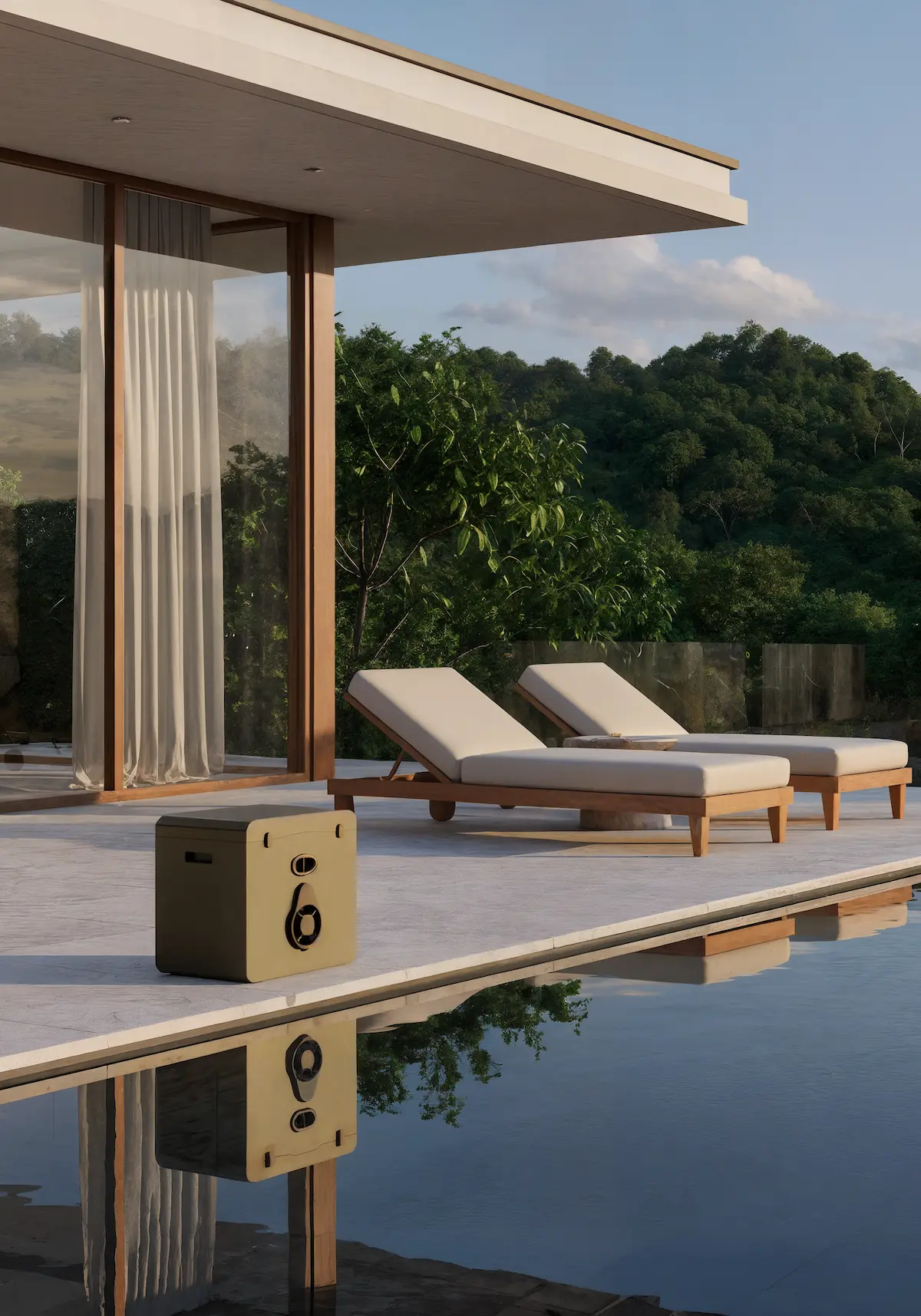



Theusefulness of mosquitoes is a question every gardener asks after a night ruined by bites. Yet, behind this unloved insect lies a real ecological role that science has been documenting for decades. At Garden Reclaimer, designer of the mosquito trap GRéco, we are convinced that intelligent control requires understanding the ecosystem. This guide, written in 2026 based on the latest scientific publications, explains why mosquitoes exist, what their role is in the food chain, and how you can reduce their nuisance without destroying the living things around you.
Before addressing theusefulness of mosquitoes in nature, it's important to recall some essential figures. There are approximately 3,600 mosquito species worldwide, of which only 200 bite humans, and only the females. Males never bite and feed exclusively on nectar. This distinction is fundamental, as it paves the way for targeted control that preserves the ecological function of the species while eliminating direct nuisance to humans.
The Ecological Role of Mosquitoes in the Food Chain

Mosquitoes as prey for numerous predators
Theusefulness of mosquitoes in nature begins with their place in the food chain. A significant biomass moves through gardens every night, and this resource feeds a wide variety of animals. Bats, for example, consume 500 to 3,000 insects per night depending on the species. Although mosquitoes represent only a fraction of bats' diet (5 to 15% according to studies by the National Museum of Natural History), this portion remains significant in wetlands.
- Bats : the common pipistrelle captures up to 3,000 insects per night, including some mosquitoes near ponds.
- Swallows and swifts : these insectivorous birds hunt in flight and catch mosquitoes during twilight hours.
- Tits, flycatchers : they consume mosquitoes resting on daytime vegetation.
- Dragonflies : formidable predators, they catch mosquitoes in flight and their larvae in water.
- Spiders : webs strung between two branches trap dozens of mosquitoes per night in a garden.
- Fish : mosquitofish, koi carp, and trout fry devour larvae in ponds and pools.
For a gardener looking to enhance this natural predation, installing shelters is a powerful tool. Our article on bat houses for mosquito control details how to install, orient, and maintain a roost that attracts these nocturnal allies.
Organic matter recycling by larvae
Theusefulness of mosquitoes is not limited to flying adults. Aquatic larvae act as filter feeders in wetlands. They consume microorganisms, bacteria, and suspended plant debris, thereby contributing to water purification and nutrient cycling. When these larvae are consumed by fish, dragonflies, or amphibians, they transfer energy and nutrients from the aquatic to the terrestrial compartment via emerging adults.
This trophic transfer function is particularly important in Arctic and subarctic wetlands, where mosquitoes form a colossal biomass in spring. According to a study published in Nature in 2010, the loss of mosquitoes in the tundra would significantly reduce the food available for migratory birds such as sandpipers and snow buntings.
Pollination: a little-known use for mosquitoes
When we talk about theusefulness of mosquitoes, pollination rarely comes up in conversation. However, non-laying males and females feed on flower nectar and participate in the pollination of many wild plants. This is particularly true for orchids of the genus Platanthera, some species of which depend almost exclusively on mosquitoes for their reproduction.
In France, several studies by the National Center for Scientific Research have shown that mosquitoes visit about fifty wild plant species, including plants typical of wet meadows and undergrowth. This discreet pollination supports floral biodiversity which, in turn, feeds bees, bumblebees, and butterflies. When you spray a broad-spectrum insecticide in your garden, you affect not only biting mosquitoes, but also pollinating males and the entire cascade of organisms that depend on this resource.
To understand how to maintain a biodiverse garden while reducing the pressure from biting mosquitoes, consult our page dedicated to the GRéco trap, designed to exclusively target females seeking blood.

Females vs. Males: Understanding the Nuisance to Better Combat It
The distinction between female and male mosquitoes is central to any control strategy. Only females bite, and only because they need blood proteins to develop their eggs. Males, on the other hand, live on nectar and die after 7 to 10 days without ever having bitten anything. This biological asymmetry has direct implications for how to protect a garden.
A female mosquito lays 100 to 300 eggs per cycle and can complete 3 to 5 cycles in her adult life. Therefore, intercepting a single female prevents the birth of several hundred offspring. This is precisely what a CO₂ attraction trap does: it mimics the human respiratory signal to attract only host-seeking females, then captures them by aspiration. Males, which are not attracted to CO₂, remain free to forage and pollinate. Bees, butterflies, and ladybugs also do not react to this signal and continue their work in the garden.
This biological precision makes all the difference between a destructive approach (insecticide) and an ecological approach (selective capture). To discover how Garden Reclaimer designed a fully autonomous trap that utilizes this principle, visit our About page.
The Debate on Mosquito Eradication: What Does Science Say?
In 2010, the journal Nature published an article titled "Ecology: A world without mosquitoes" which significantly influenced the scientific debate. Journalist Janet Fang interviewed about twenty ecologists on the consequences of a global mosquito eradication. The findings were nuanced: for most ecosystems, the absence of mosquitoes would be compensated in the medium term by other insects occupying the same ecological niche. However, in Arctic and subarctic regions, the effect would be potentially dramatic due to the central role of mosquitoes in the food chain of migratory birds.
This debate was reignited in 2023 with the first experiments on genetically modified mosquitoes in Florida, and then in 2025 with European trials on Aedes aegypti. The stance of major nature conservation organizations remains cautious: the League for the Protection of Birds reminds us that massive eradication would have difficult-to-anticipate cascading effects, and advocates for localized reduction strategies rather than total elimination.
This nuance is valuable for gardeners. You don't need to eliminate all mosquitoes on the planet to enjoy your patio. You need to reduce the local population in your living area, without destroying the global ecosystem that maintains the balance between prey and predators.
Table of Ecosystemic Role by Trophic Level
How to fight mosquitoes without destroying the ecosystem
Now that theusefulness of mosquitoes is clear, the practical question remains: how to protect yourself from bites without ruining the garden? The answer lies in three complementary principles: target, conserve, preserve.
Target females only. CO₂ attraction traps like the GRéco terminal replicate the signal of a breathing mammal (CO₂, heat, humidity, pheromones) to exclusively attract females seeking a host. Males are not captured, so pollination continues. Bees, butterflies, and ladybugs, which do not react to CO₂, are never affected. Field surveys show that over 98% of insects captured by the GRéco are mosquitoes or biting midges (biting cousins).
Conserve rare resources. The GRéco operates without gas cylinders thanks to a patented atmospheric concentration reactor that captures ambient CO₂. No transport, no refilling logistics, no plastic. The annual operating cost is between €50 and €100, compared to €600 to €2,000 for a professional seasonal chemical treatment.
Preserve predator breeding grounds. Maintaining a clean water source in the garden (pond, basin, trough) encourages dragonflies, frogs, and larvivorous fish. Installing a southeast-facing bat house increases nocturnal predation. Moderately pruning hedges instead of removing them preserves refuges for tits and swallows. The Garden Reclaimer solution for homeowners aligns with this logic: protecting humans without disturbing beneficial wildlife.
Mistakes to avoid in mosquito control
Many homeowners, exasperated by bites, resort to solutions that worsen the problem. Here are the main mistakes documented in 2026 by naturalist associations and entomologists.
Repeated use of broad-spectrum insecticides. Pyrethroids (deltamethrin, permethrin) indiscriminately kill mosquitoes, bees, butterflies, and ladybugs. Worse, repeated selection pressure leads to the emergence of resistant mosquito populations, forcing increased dosages in an ecotoxicological vicious cycle. ANSES also recommends limiting these molecules in residential areas.
Indiscriminate eradication of water sources. Draining a permanent pond because it harbors mosquito larvae also eliminates dragonflies, frogs, and beneficial aquatic insects. The best practice is to maintain the water source and introduce larvivorous fish (gambusia) or treat with Bti, a selective bacterial larvicide that only affects dipterans.
UV lamp traps. These devices, still sold in garden centers, attract and electrocute a wide variety of nocturnal insects, including moths and lacewings, but very few mosquitoes (which are not phototropic). A 1997 University of Florida study had already shown that less than 0.2% of insects killed by these lamps were mosquitoes. Absolutely to be avoided.

Why the GRéco device is eco-friendly
Garden Reclaimer was founded on a simple principle: to protect humans without disturbing wildlife. The GRéco device embodies this philosophy through several precise technical choices.
Firstly, the trap targets only biting females thanks to the combination of CO₂ + human pheromones. Pollinators and beneficial garden insects remain undisturbed in their environment. Secondly, the device operates completely autonomously, without gas cylinders, which eliminates the logistical pollution associated with transporting refills. Thirdly, capture is mechanical (suction and net), so no chemical molecules are released into the garden or the soil.
Field feedback in 2026 confirms the ecological effectiveness of the device. In gardens equipped for 2 to 3 seasons, gardeners observe a sustained reduction in the biting mosquito population, with no noticeable decrease in pollinator insect diversity. Dragonflies continue to hunt, bees forage on lavender, and swallows fly back and forth above the terraces. For free placement advice tailored to your garden, contact the Garden Reclaimer team.
Mosquitoes' role: key takeaways for 2026
Mosquitoes are not useless. They feed a vast community of predators (bats, birds, dragonflies, spiders, fish, amphibians), participate in the recycling of aquatic organic matter, and pollinate about fifty wild plant species. However, they also cause direct nuisance to humans through female bites and locally transmit pathogens in tropical and subtropical zones.
Therefore, the right approach in 2026 is not eradication, but targeted regulation. Capturing females in living areas, while preserving pollinating males and natural predators, allows you to enjoy your garden without disrupting ecological balances. This is precisely what Garden Reclaimer offers with the GRéco device, designed to integrate into a living garden and permaculture approach.
FAQ: The Role of Mosquitoes
What is the actual role of mosquitoes in nature?
The usefulness of mosquitoes manifests at several ecological levels. They serve as prey for bats, swallows, dragonflies, spiders, and fish. Their larvae recycle organic matter in wetlands. Males and some females pollinate about fifty wild plant species, including certain orchids of the genus Platanthera. Although their disappearance would be compensated for in the medium term in most ecosystems according to a 2010 Nature study, their role remains significant in arctic and wetland areas.
Why do only female mosquitoes bite?
Females need blood proteins to develop their eggs. Males, on the other hand, never bite and feed exclusively on flower nectar. A female lays 100 to 300 eggs per cycle and can complete 3 to 5 cycles in her lifetime. This is why CO₂ attraction traps like the GRéco device are so effective: they only target females seeking a host, so a single capture prevents several hundred offspring. Pollinating males are not attracted by CO₂ and continue their work in the garden.
How many mosquito species are there in the world?
There are approximately 3,600 mosquito species worldwide in 2026, distributed across all continents except Antarctica. Among them, only 200 bite humans. In France, about sixty species have been identified, most of which do not bite humans or pose no health risk. The tiger mosquito (Aedes albopictus), which arrived in the southeast in 2004, and the common mosquito (Culex pipiens) are the two most problematic species for individuals. The others play an ecological role without direct nuisance.
What would happen if all mosquitoes were eradicated?
According to a 2010 study published in Nature, the global eradication of mosquitoes would have nuanced consequences. In most ecosystems, other insects would gradually occupy the same ecological niche. However, in arctic and subarctic regions, the effect would be potentially dramatic because mosquitoes constitute an essential biomass for migratory birds like sandpipers. The LPO and MNHN therefore recommend localized reduction rather than total eradication, which aligns with the GRéco device's approach: capturing females in living areas without affecting wild populations.
How to control mosquitoes without harming pollinators?
The best strategy in 2026 combines three complementary actions. Firstly, eliminate stagnant water in the garden (saucers, gutters, toys) to prevent egg-laying. Secondly, treat permanent water sources with Bti, a selective bacterial larvicide that only affects dipterans. Thirdly, install a CO₂ attraction trap like the GRéco device, which exclusively captures biting females without affecting bees, butterflies, or ladybugs. This approach preserves pollination and the food chain, so swallows, bats, and dragonflies continue their ecological role.
Do mosquitoes really contribute to pollination?
Yes. Males and non-egg-laying females feed on nectar and contribute to the pollination of about fifty wild plant species, mainly in wet meadows and undergrowth. Some orchids of the genus Platanthera depend almost exclusively on mosquitoes for their reproduction. This discreet pollination supports floral biodiversity, which in turn feeds bees, bumblebees, and butterflies. That's why a broad-spectrum insecticide, which indiscriminately kills males and females, can disrupt an entire ecological cascade beyond the mere disappearance of biting mosquitoes.