

Mosquitoes are a major nuisance in our living spaces, especially during the summer season. Faced with the proliferation of anti-mosquito solutions on the market, mosquito lamps are emerging as an ecological and effective alternative to traditional chemical products. This article offers an exhaustive comparison of the best mosquito lamps available in 2026, by analyzing their specific technologies, performances and applications.
Why read this article?
Written by mosquito control experts, this guide is based on the expertise of Garden Reclaimer, a French pioneer in innovative ecological mosquito control solutions. Our legitimacy is based on a thorough knowledge of mosquito control technologies and our collaboration with professionals in the sector. This lamp comparison will allow you to choose a mosquito lamp adapted to your specific needs, with precise technical criteria and recommendations based on rigorous comparative analyses.
How does a mosquito lamp work and why is it effective?
Mosquito lamps exploit the natural attraction of flying insects to certain light sources. The operating principle is based primarily on the emission of UV light that attracts mosquitos and other harmful insects. An insect lamp generates ultraviolet radiation in a specific wavelength (usually between 350 and 370 nanometers) that stimulates the photoreceptors of mosquitoes, encouraging them to move towards the light source.
Once attracted by UV light, flying insects are captured using various mechanisms depending on the type of lamp: electrocuting via a live metal grid, suction by an integrated fan, or entrapment in a receptacle. This electric mosquito repellent lamp is a chemical-free solution that is environmentally friendly and safe for pets and humans. Unlike insecticide sprays or chemical diffusers, the lamp does not emit any chemicals into the atmosphere, making it ideal for enclosed spaces like a bedroom or conservatory.
The efficiency of a lamp depends on several technical factors: the UV emission power (generally measured in watts, with 15W models for average spaces), the coverage area expressed in m², the presence of additional attractants (CO2, pheromones), and the quality of the protective grid preventing accidental contact. The best mosquito lamps combine these technologies to maximize mosquito capture while ensuring safe and sustainable use.
.webp)
What are the different types of mosquito lamps available on the market?
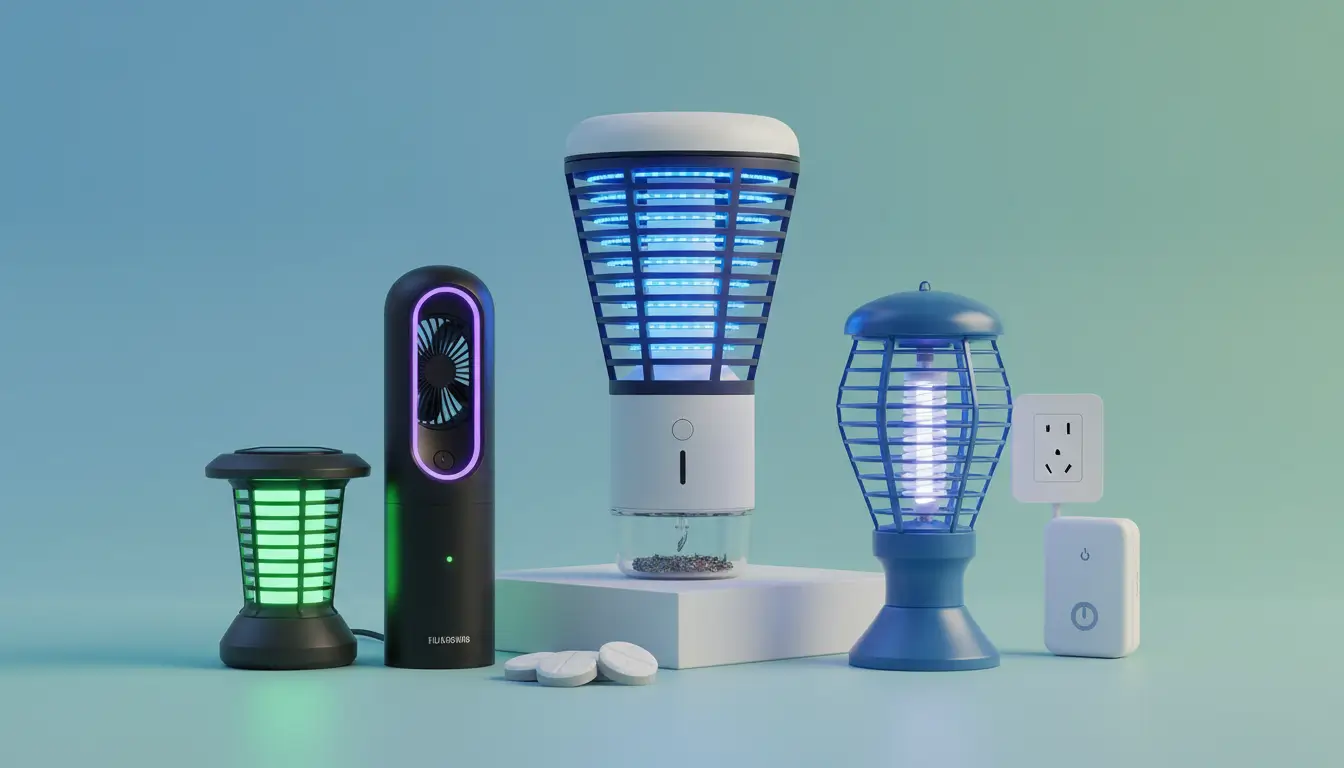
The market offers a variety of lamp technologies designed to eliminate mosquitoes and other insects. The electric grid lamp is the most common model: it attracts flying insects using UV light and then electrocutes them in contact with a live metal grid. This type of lamp has the advantage of immediate action and significant effectiveness against mosquitoes and flies. The power generally varies from 6W for small spaces to 40W for large commercial areas.
Suction mosquito lamps are a silent and electrocute-free alternative. A built-in fan sucks insects attracted by LED or UV light into a drip tray where they dehydrate. This technology makes it possible to capture mosquitoes without electrocuting noise or carbonized residues. These models are particularly suitable for bedrooms and rest areas where silence is essential. Some models offer a 2 in 1 function combining ambient lamp and mosquito trap.
USB rechargeable lights have revolutionized outdoor use, offering maximum portability without the need to plug the device into the mains. These compact models generally incorporate a lithium-ion battery allowing 8 to 12 hours of autonomy. Ideal for campsites, terraces or gardens far from an electrical source, they often offer 3 operating modes: room lamp, mosquito repellent, or combined mode. Garden Reclaimer particularly recommends these solutions to complete a permanent mosquito control system in hard-to-reach areas.
How to choose a mosquito lamp adapted to your specific needs?
Choosing the right mosquito lamp requires the analysis of several decisive technical criteria. The coverage area is the first parameter to consider: a lamp can cover from 20 m² for compact indoor models up to 150 m² for outdoor professional devices. It is imperative to select a power adapted to the space to be protected from mosquitoes. Undersizing compromises efficiency, while oversizing leads to unnecessary overconsumption of energy.
The place of use also determines the appropriate type of lamp. For outdoor use, choose models certified IP44 or higher, which are resistant to splashes of water and bad weather. The lamp should be sturdy enough to withstand variable weather conditions. For indoor use, in a bedroom or a veranda, opt for silent models without a noisy fan, with adjustable light intensity so as not to disturb sleep. The rechargeable versions offer installation flexibility without wiring constraints.
Safety criteria deserve particular attention, especially in homes with children or pets. A protective grid or a safety grid must imperatively prevent any direct contact with electrical components. Some lamps incorporate a double protective grid preventing the insertion of fingers or paws. The presence of an automatic shut-off system in case of opening the case is an additional guarantee of safety. Garden Reclaimer emphasizes the importance of these protective devices to ensure safe use in all home environments.
What are the best mosquito repellent lamps for indoor use?
To effectively protect indoor spaces against mosquitoes and other insects, several models stand out for their performance and discretion. Noiseless suction lamps dominate this segment, as they allow you to get rid of mosquitoes without being disturbed by the crackles characteristic of electric models. These devices use an LED lamp or low-intensity UV light that attracts insects without dazzling occupants, coupled with a quiet fan that sucks pests into an airtight container.
The ideal bedroom mosquito lamp has several specific characteristics: a subdued light emission compatible with sleep, a coverage of 30 to 50 m² corresponding to the standard areas of the rooms, and a total absence of noise so as not to disturb rest. Some models incorporate a nightlight with adjustable intensity, turning this lamp into a multifunction accessory. The absence of chemical emissions guarantees optimal air quality, which is particularly important for rooms for children or sensitive people.
High-end models combine several attraction technologies: CO2 emission simulating human breathing, diffusion of pheromonal decoys, and pulsed UV light at variable frequency to maximize attraction. These innovations make it possible to effectively attract mosquitoes even in the presence of competitive sources (human presence, other light sources). Garden Reclaimer observes 40 to 60% greater efficiency for these multimodal systems compared to simple UV lamps, justifying a larger investment for heavily infested areas.
Comparison of mosquito repellent lamp for outdoor spaces and gardens
Outdoor use requires lamps that are specifically designed to withstand environmental conditions and cover large areas. Professional outdoor mosquito lamps develop a power of 15W to 40W and can cover up to 150 m², effectively protecting terraces, pergolas and gardens. These models generally incorporate a high-voltage electrical grid (2000 to 4000 volts) capable of instantly eliminating insects, including large species such as some flies.
Waterproof design (IP65 or IP66 certification) is an essential prerequisite for permanent outdoor installation. The materials must resist saline corrosion in coastal areas, solar UV rays that degrade certain plastics, and significant thermal variations. The best outdoor mosquito lamps use anodized aluminum or UV-treated ABS housings, with seals that ensure long-lasting protection against humidity. An integrated drainage system prevents the accumulation of water in the insect collection tank.
Solar power represents a major innovation for garden installations that are far from the electrical grid. These lamps incorporate photovoltaic panels that recharge a battery during the day, ensuring autonomous operation for 8 to 12 hours at night. This eco-friendly solution eliminates cabling constraints while minimizing the carbon footprint. Garden Reclaimer has developed hybrid systems combining solar power and automated larvicide treatment of waterholes, offering integrated protection against mosquitoes at all stages of their development.
UV lamp vs LED lamp: which technology should be preferred against mosquitoes?
Light emission technology fundamentally determines the attractiveness of mosquitos. Traditional UV lamps emit in the ultraviolet spectrum (wavelengths 350-370 nm) that corresponds precisely to the photoreceptors of flying insects. This spectral specificity explains why UV light attracts insects more efficiently than standard light sources. However, UV tubes require periodic replacement (usually annual) because their emission intensity decreases progressively, reducing the efficiency of the lamp.
New generation LED lamps offer an attractive technological alternative. UV LEDs combine the exceptional longevity of LED technology (lifespan of 30,000 to 50,000 hours) with an emission spectrum optimized to attract mosquitoes. These lamps consume significantly less energy (reduction of 40 to 60% compared to fluorescent UV tubes) while maintaining a constant emission intensity throughout their lifespan. The absence of mercury also makes this LED lamp more environmentally friendly when recycled.
Some manufacturers have developed mixed spectrum LEDs that combine UV emission and specific visible wavelengths (blue-violet, 400-420 nm) to maximize the attraction of different insect species. This multi-spectrum approach makes it possible to attract flying insects with varied photoreceptor sensitivities, thus extending the lamp's spectrum of action beyond mosquitoes alone. Garden Reclaimer integrates this multispectrum LED technology into its automated solutions, guaranteeing optimal effectiveness against all harmful insects present in gardens and outdoor spaces.
.webp)
How much does a good mosquito lamp cost and what is the best value for money?
Comparative price analysis reveals a marked segmentation of the mosquito lamp market. The entry-level models for casual use are positioned between 15 and 30 euros. These compact lamps generally cover 20 to 40 m² and use low-power UV tubes (4 to 6W). Their limited durability and moderate effectiveness make them suitable for occasional use indoors or for small spaces such as a balcony terrace.
The middle segment, representing the best value for money according to our comparison, ranges from 40 to 80 euros. These lamps offer a robust construction, a power of 10 to 20W adapted to standard residential areas (50 to 100 m²), and integrate practical functionalities such as the removable recovery tank, the reinforced security grill, or the waterproof certification for outdoor use. Most models in this category have a 2-year manufacturer's warranty, testifying to their reliability.
High-end and professional lamps exceed 100 euros, reaching 300 euros for the most sophisticated systems. This investment is justified by advanced technologies: CO2 emission, pheromone diffusion, intelligent sensors adjusting the intensity according to the activity of insects, smartphone connectivity allowing remote monitoring. These models also offer exceptional durability with industrial components designed to operate continuously for several years. For hotel and restaurant professionals or individuals facing high mosquito pressure, this lamp represents a profitable investment by the almost total elimination of the nuisance without the use of insecticides.
What surface can an anti-mosquito lamp effectively cover according to its power?
The relationship between electrical power and coverage area is a fundamental parameter for correctly sizing your mosquito repellent installation. A 6W lamp effectively covers 20 to 30 m², corresponding to a standard bedroom or a small office. This sizing ensures sufficient UV light density to attract mosquitoes throughout the treated volume. For a living room or a covered terrace of 40 to 60 m², a power of 10 to 15W is necessary in order to maintain an effective attraction of flying insects over the entire surface.
Open outdoor spaces require higher wattage due to the dilution of light in the environment and competition with stray light sources. A 20W lamp can protect around 80m² in outdoor conditions, while a 30W model extends the protection up to 120m². For large gardens or restaurant terraces, 40W systems reach a coverage of 150 m². However, it should be noted that the efficiency decreases with distance: beyond 15 meters from the source, the attraction decreases significantly.
Optimizing coverage also involves the strategic positioning of the lamp. The installation at a height of 1.8 to 2.2 meters maximizes the attraction of mosquitoes that generally fly at human height. Avoid placing the lamp directly near living areas: position it 3-5 meters from occupied spaces to deter mosquitoes before they reach people. Garden Reclaimer offers positioning studies for complex installations, optimizing the number and location of lamps according to the configuration of the premises and the traffic flows of insects identified by modeling.
Are mosquito lamps really safe for humans and animals?
Safety of use is a legitimate concern when buying a mosquito lamp. Models that comply with European CE standards guarantee the absence of risk for users under normal conditions of use. The electric grid, although carried by a high voltage (2000 to 4000 volts), delivers an extremely low current (a few milliamps) that is incapable of causing a dangerous electric shock even in the event of accidental contact. However, an external protective grid physically prevents direct contact, making the lamp perfectly secure.
The emission of UV rays by the lamp regularly raises health questions. The UV tubes or LEDs used emit mainly in the UV-A range (315-400 nm), which is considered to be non-carcinogenic and safe for indirect and limited exposure. The emission intensity remains well below the regulatory thresholds for skin and eye protection. Unlike tanning lamps that use high-intensity UV-B, this mosquito repellent lamp does not present any dermatological risk. Some recent models even completely eliminate UV rays by using LEDs with an optimized visible spectrum (blue-violet) that attracts insects without ultraviolet emissions.
For pets, lamps are completely harmless. Dogs and cats are not attracted to UV light and remain indifferent to these devices. Pet birds may be disturbed by night light: in this case, covering the cage or turning off the lamp in the bird's room is sufficient. Unlike aerosol insecticides or chemical diffusers that can poison animals, this mechanical solution does not present any toxicological risk. Garden Reclaimer guarantees that all of its mosquito control solutions, including recommended lamps, comply with the most stringent health and environmental safety standards.
%20(1).webp)
How to maintain and optimize the life of your mosquito lamp?
Regular maintenance of your lamp directly determines its efficiency and longevity. The recovery tank must be cleaned weekly during the high season (May to September) to avoid the accumulation of insect residues that can clog the mechanisms and release unpleasant odors. Always unplug the lamp before cleaning to prevent electrical risks. Use a soft brush or a slightly damp cloth to remove captured insects, then dry all components thoroughly before returning to service.
The electric grid requires monthly dust removal to maintain optimal conductivity. Dust deposits and charred insect residues form an insulating layer that gradually reduces the effectiveness of electrocuting. Use a small brush with soft bristles (such as a used toothbrush) to gently clean the wires from the grill without deforming them. For suction models with a fan, check quarterly for blade obstructions and clean the suction filter if applicable.
Replacing consumable components ensures that performance is maintained over time. Fluorescent UV tubes must be changed annually because their emission intensity decreases by about 30% after 8,000 hours of operation, even if visually they continue to emit light. UV LEDs generally do not require replacement during the life of the lamp (10 years or more). Store the lamp away from humidity during the winter season to preserve the electronic components. Garden Reclaimer offers preventive maintenance contracts for professional installations, including scheduled cleaning and systematic replacement of consumables according to your needs.
Garden Reclaimer: the GréCo terminal, the natural evolution of the mosquito trap
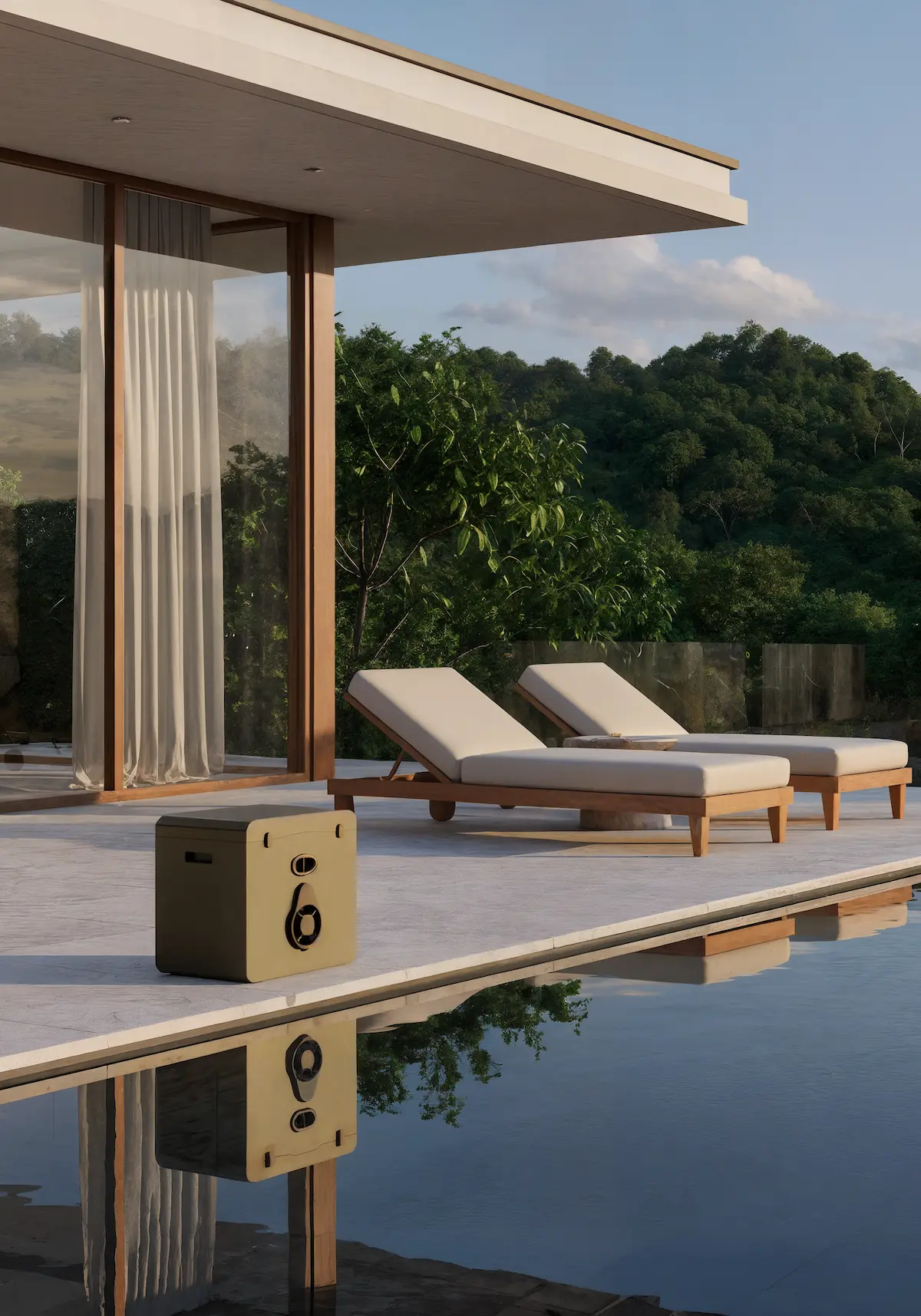
While anti-mosquito lamps make it possible to capture adult insects within a limited area, they do not attack the heart of the problem: continuous reproduction females in your environment. That is precisely what the GréCo terminal, developed by Garden Reclaimer in collaboration with the CNRS.
Where conventional traps burn butane gas to produce CO₂, the GréCo terminal uses a patented reactor that directly captures CO₂ from the ambient air — without bottles, without combustion, without emissions. This natural CO₂, combined with pheromones specific to breeding females, attracts and captures the only mosquitoes capable of perpetuating the infestation: swallowed females looking for a nesting site.
The power of the device lies in its exceptional coverage : with a radius of action of 60 meters, a single terminal protects up to 11,300 m² — the equivalent of three soccer fields. That's nearly three times the coverage of the Mosquito Magnet Executive, without any gaseous consumables.
The result is a 80% reduction in the mosquito population in 6 to 8 weeks, by gradual interruption of the reproductive cycle. Each female captured represents hundreds of larvae that will never see the light of day. This is how protection becomes cumulatively more effective throughout the season, unlike repellents or diffusers whose action stops as soon as you turn them off.
Entirely made in France, the GréCo terminal operates completely independently and integrates a GSM/WiFi remote monitoring allowing remote monitoring without regular manual intervention. Zero chemistry, zero gas, zero impact on biodiversity: it is the most environmentally friendly field mosquito control available today.
Key Points to Remember
Operation and technology
- Mosquito lamps use UV light to attract insects and then capture them by electrocuting, vacuuming, or trapping
- UV LED technology offers superior durability and reduced energy consumption of 40-60% compared to fluorescent tubes
- Multispectral models combine UV and optimized visible light to maximize the attraction of different species
Sizing and power
- 6W covers 20-30 m² (bedroom), 15W for 50-80 m² (lounge/terrace), 30-40W for 100-150 m² (large garden)
- Outdoor use requires higher wattage due to light dilution
- Optimal positioning at 1.8-2.2m in height and 3-5m from the living areas
Safety and environment
- CE certified lamps safe for humans and pets thanks to the protective grids
- Non-carcinogenic UV-A emission with safe regulatory intensity
- Environmentally friendly, chemical-free and environmentally friendly alternative
Types and applications
- Electric grill lamps for immediate outdoor action
- Silent vacuum models ideal for bedrooms and rest areas
FAQ: 2026 Mosquito Repellent Lamps
What is a mosquito lamp and how does it work?
A mosquito lamp emits UV light (350-370nm) that attracts flying insects. Once captured, they are eliminated by electrocuting, suction, or trapping. This ecological solution effectively replaces chemical sprays, diffusers and insecticides, ideal for pregnant women and children.
Which technology should you choose: classic UV or LED?
UV LED bulbs surpass conventional tubes with a durability of 30,000-50,000 hours, a reduced consumption of 40-60% and a constant intensity. Some LED bulbs combine UV and blue-violet spectrum to catch mosquitoes, flies, and wasps.
What power for what surface?
- 6W: 20-30 m² (bedroom)
- 10-15W: 40-80 m² (living room, veranda)
- 20-30W: 80-120 m² (terrace, garden)
- 40W: up to 150 m² (large spaces)
Position the lamp 1.8-2.2m in height and 3-5m from living areas to repel mosquitoes effectively.
What model for the interior?
Opt for quiet vacuum lamps with dimmable LED bulbs for bedrooms. These highly effective models cover 30-50 m² and prevent nocturnal bites without insecticide or chemical repellent, unlike irritating diffusers.
How do I protect my garden?
Choose models that are IP65/IP66 certified, weatherproof, with 20-40W of power. Solar lights offer 8-12 hours of battery life. Combine them with the Garden Reclaimer mosquito trap (larval treatment) to reduce 85-95% of the population.
Are these lamps safe?
Yes, completely safe: protective screens, non-carcinogenic UV-A emission, without toxic products. Ideal alternative to sprays, bracelets, ultrasound and insecticides for pregnant women and families.
What budget should you plan for?
- 15-30€: entry-level (occasional use)
- 40-80€: best value for money (2 year warranty)
- >100€: high-end (CO2, pheromones, smart sensors)
How do you maintain it?
Empty the container weekly, clean the grate monthly with a soft brush. Replace UV tubes annually (LED bulbs last 10+ years). Store in a sheltered place in winter.