

.webp)
This article is brought to you by Garden Reclaimer, a specialist in Mosquito repellent solutions ecological and sustainable for gardens and outdoor spaces. Our expertise combines technological innovation and respect for the environment to offer you optimal protection against pests.
LMosquitos are much more than just a summer annoyance. Faced with the proliferation of the tiger mosquito in Europe and the growing ineffectiveness of traditional repellents, choosing the right mosquito repellent is becoming crucial. This article looks at the various solutions available on the market, with particular attention paid to mosquito traps and electric diffusers. You will discover how to choose the most suitable equipment for your situation and how Garden Reclaimer offers innovative solutions to transform your garden into a protected area.
Understanding the threat: why are mosquitos so problematic?
Mosquitos are one of the most dangerous pests for humans. The growing presence of the tiger mosquito in Europe is profoundly changing our relationship with these insects. Particularly aggressive and active during the day, unlike classical mosquitoes that are more active at dusk, it has gradually colonized all of France since the beginning of the 2000s.
The female mosquito bites to collect the blood necessary for the development of her eggs. Beyond the discomfort of itching, the tiger mosquito can transmit dengue, chikungunya or the Zika virus, making protection against mosquitoes essential. Even minimal points of stagnant water (saucers, poorly maintained gutters, waste) are sufficient for females to lay their eggs. A comprehensive strategy must therefore combine environmental prevention and the use of effective anti-mosquito devices.
.webp)
What are the different types of mosquito repellent available?
The mosquito repellent market offers three main categories: skin repellents, insecticide diffusers, and mosquito traps. Skin repellents, chemical (DEET, IR3535, icaridin) or natural (lemongrass essential oil, lemon eucalyptus), create a temporary olfactory barrier requiring repeated applications.
Electric diffusers plug into an electrical outlet and gradually release a volatile insecticide, generally synthetic pyrethroids. The mosquito repellent diffuser offers continuous protection in enclosed spaces of 20 to 30 m². The refill must be changed every 30 to 45 nights depending on the model. This solution is particularly suitable for bedrooms, although prolonged exposure to the chemical raises questions for pregnant women and young children.
Mosquito traps represent an increasingly popular mechanical alternative. These devices attract insects using various stimuli (CO2, heat, UV light, chemical attractants) before capturing them. Garden Reclaimer offers trapping solutions adapted to gardens and terraces, allowing effective protection of outdoor spaces without danger to health or the environment.
How do mosquito traps actually work?
Mosquito traps exploit the natural detection mechanisms that mosquitoes use to locate their prey. Female mosquitoes detect their victims using several signals: exhaled CO2, body heat, humidity and certain chemical molecules present in perspiration. Sophisticated traps replicate these signals to create an irresistible lure that attracts mosquitoes away from people.
The aspiration-type mosquito trap generally combines CO2 emission with a heat source and sometimes a chemical attractant that mimics body odor. Attracted insects are sucked by a fan into a net where they dehydrate and die. This technology is particularly effective against female mosquitoes in search of blood, thus reducing the local population over several weeks of continuous use.
UV mosquito traps use a different approach. They emit ultraviolet light that attracts various flying insects. However, their specific effectiveness against mosquitoes is a matter of debate. Mosquitos react relatively little to UV compared to moths. For effective protection against mosquitoes, models combining UV and emission of CO2 or chemical attractants offer better results.
What is the most effective outdoor mosquito repellent?
Effectively protecting outdoor space requires a different approach to indoor solutions. For gardens, terraces and outdoor living areas, mosquito traps represent the most relevant method. Strategically installing a mosquito trap in your garden creates a capture zone that intercepts insects before they reach people.
To optimize efficiency, position the trap between the probable breeding area of mosquitoes (water points, dense vegetation) and your living space. The optimal distance is between 10 and 15 meters from the area to be protected, far enough away not to attract mosquitoes to you, but close enough to intercept those who approach.
Garden Reclaimer has developed solutions specifically designed for large outdoor spaces. Their systems combine trapping and habitat modification to make your garden naturally less attractive to mosquitoes and other harmful insects. By combining the drainage of wetlands, the planting of repellent species (lemongrass, lavender, basil) and the installation of strategic traps, you create an environment that is unfavorable to the proliferation of mosquitoes while maintaining biodiversity.
.webp)
How do you choose the best mosquito repellent for your situation?
Choosing the right mosquito repellent requires evaluating several criteria: the surface to be protected, the environment of use (indoor/outdoor), the presence of sensitive people, your budget and your environmental concerns. For moderately sized enclosed spaces (bedrooms, offices), a mosquito outlet with insecticide refill offers a simple and economical solution.
For living rooms and large spaces, a ventilator mosquito repellent may be a good idea. Some recent models incorporate an aspirated trapping function, combining repulsive diffusion and mechanical capture.
For outdoor areas, choosing the appropriate mosquito trap depends on the area of your garden and the level of infestation. Entry-level models are suitable for small terraces (20-50 m²), while professional systems with CO2 emissions can protect several hundred square meters. Garden Reclaimer offers a personalized buying guide to precisely identify the type of mosquito that is dominant in your area and the most suitable solution.
What device should you use against the tiger mosquito specifically?
The tiger mosquito has behavioral characteristics that clearly distinguish it from common mosquitoes. Unlike classical species that are more active at dusk, the tiger mosquito bites mainly during the day, with peaks of activity in the early morning and late afternoon.
Mosquito repellent UV lamps prove to be of little relevance against the tiger mosquito. The latter locates its prey mainly thanks to CO2, heat and body odors. For effective protection against tiger mosquitoes, choose traps that combine CO2 emissions and chemical attractants that mimic human skin secretions.
The fight against the tiger mosquito also requires rigorous preventive action. Systematically eliminate all standing water points on your property: empty the saucers, cover the rainwater tanks, clean the gutters, and turn over any containers that may collect water. Garden Reclaimer accompanies this approach with its GréCo anti-mosquito terminal, which captures adult females by selective suction within a radius of 60 meters, thus reducing the population by 80% in 6 to 8 weeks, without any chemical product.
.webp)
FAQ: your essential questions about mosquito repellents
What is the difference between mosquito repellent and insecticide?
A repellent repels mosquitoes without killing them. It creates an olfactory barrier that makes the target unpleasant for the insect. Skin repellents (DEET, icaridin) are applied to the skin and mask the chemical signals that attract mosquitoes. Their effectiveness lasts from 2 to 8 hours depending on the concentration.
An insecticide aims to kill insects by contact or ingestion. Electric diffusers release pyrethroids that paralyze and then kill mosquitoes in the room. Repeated exposure to insecticides in enclosed spaces raises health issues, especially for children under 3 years of age and people with respiratory problems.
Do mosquito traps attract more mosquitos to my garden?
Mosquito traps intentionally emit attractive signals (CO2, heat, odors) to attract insects. However, their effectiveness is based on their ability to catch these attracted mosquitoes. A well-designed and properly positioned trap will catch significantly more mosquitos than it will attract to your living area.
Strategic positioning is the crucial element. Place the mosquito trap between likely breeding areas and your living space, 10-15 meters away from your terrace. The trap thus intercepts mosquitoes during their natural movement, before they reach people. Studies show that an effective trap gradually reduces the local population over 4 to 6 weeks.
Do ultrasonic mosquito repellents really work?
No, ultrasonic devices have no demonstrated effectiveness against mosquitoes. Despite their appealing marketing, these devices have no solid scientific foundation. The numerous controlled scientific studies have never succeeded in demonstrating any repellent effect of ultrasound on mosquitoes.
Several rigorous comparative tests have exposed people equipped with active or fake ultrasound devices. No significant difference in the number of bites was observed. Health authorities in many countries, including ANSES in France, explicitly advise against these devices. Instead, invest in solutions that are scientifically proven to work.
How long does it take for a mosquito trap to become effective?
The dynamics of effectiveness of a mosquito trap follows a gradual curve requiring patience and continuous use. The first noticeable effects generally appear after 2 to 3 weeks of continuous use, with maximum effectiveness reached around 4 to 6 weeks.
This increase is explained by the life cycle of mosquitoes. Traps primarily catch adult females in search of blood. By eliminating these females before they lay eggs, you are interrupting the breeding cycle. Set up your trap before the start of the season, ideally at the first spring temperatures (March-April depending on the region). Keep the trap in continuous operation throughout the active season.
How do you maintain a mosquito trap to maintain its effectiveness?
Regular maintenance directly determines long-term effectiveness. Empty the catch container every 1 to 2 weeks during periods of high activity. Unplug the appliance, remove the drip tray, and empty the contents into an airtight bag.
Clean the fan blades approximately every month with a soft brush or dry cloth. The CO2 cartridges should be changed every 3 to 6 weeks depending on the set flow rate. Chemical attractants lose their effectiveness after about 30 days. Garden Reclaimer offers consumable supply subscriptions that ensure continued efficiency.
Are repellent plants like lemongrass really effective in a garden?
Planting plants known to be repellent (lemongrass, lavender, basil) is an attractive approach but requires realistic expectations. The active repellent ingredients of these plants are found in the essential oils contained in the leaves. However, these molecules are only released in significant quantities when plant tissue is wrinkled.
An intact lemongrass plant in a pot emits very few repellent substances into the room air. To optimize the repellent effect, crumple the leaves regularly or install them in areas of passage where they will naturally be touched. The main interest lies in their contribution to an overall development that is unfavorable to mosquitoes. Garden Reclaimer integrates these plants into a global landscape approach, combining effective drainage and management that promotes auxiliary biodiversity.
Key Takeaways: Practical Summary
- Tiger mosquitos change the situation with their daytime activity and increased aggressiveness, requiring adapted strategies that are different from traditional approaches.
- Combined approach : the most effective protection combines environmental prevention (elimination of stagnant water), physical barriers (mosquito nets), and active devices (traps, diffusers).
- CO2 traps represent the most efficient technology for outdoor spaces, with scientifically proven effectiveness superior to simple UV lamps.
- Strategic positioning : install the traps 10-15 meters from your living area, between the probable breeding sites and your relaxation area.
- Patience and continuity : a trap reaches its maximum effectiveness after 4 to 6 weeks of continuous operation, gradually reducing the local population.
- Ultrasound devices do not have any scientifically proven effectiveness. Avoid this type of investment.
- Regular maintenance : emptying the capture tank, cleaning the fan and replacing consumables directly determine long-term efficiency.
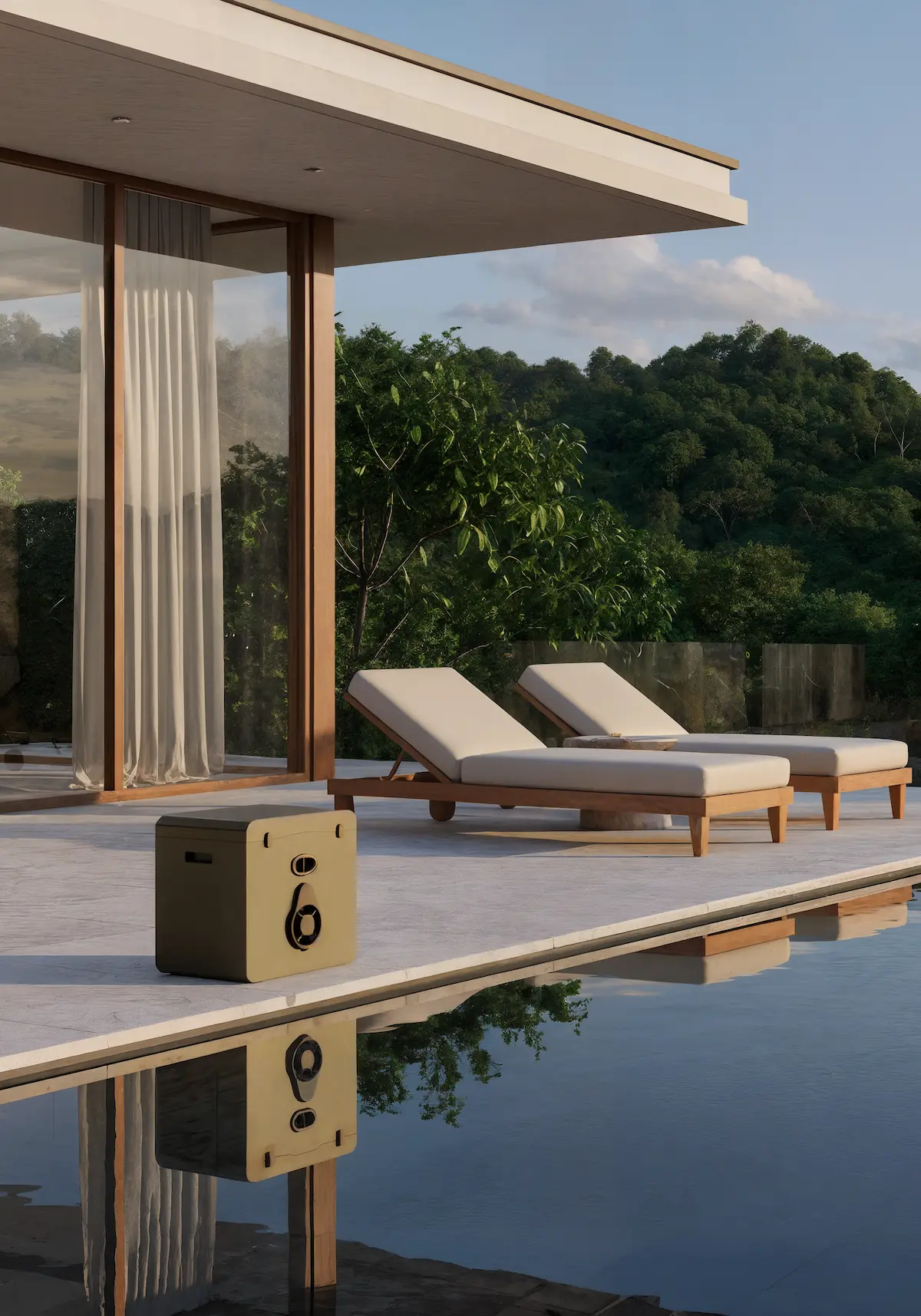
- Garden Reclaimer offers its GréCo terminal, a high-performance capture device that attracts mosquitoes thanks to a CO2/heat/humidity/pheromones signal captured in the ambient air, then sucks them up selectively. Made in France by 3D printing with technical materials, the terminal covers a radius of 60 meters and operates in total autonomy throughout the season.