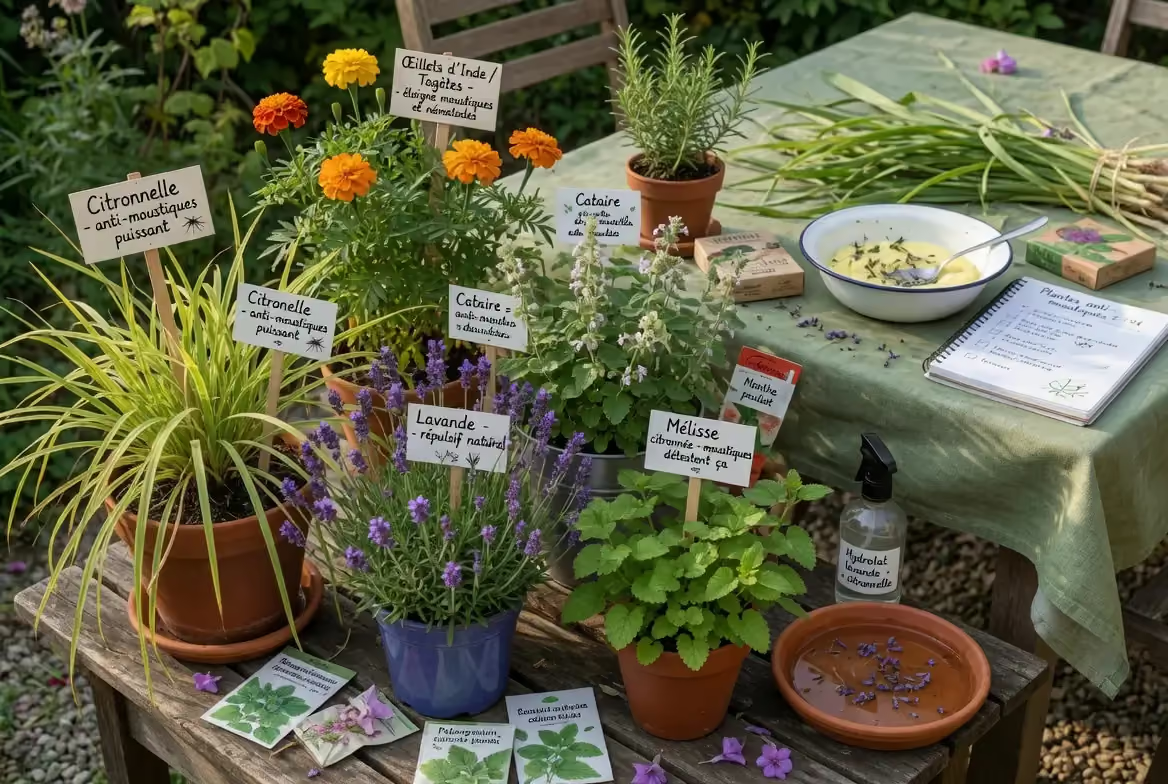
Every summer, mosquitoes return in force, and chemical solutions show their limitations: resistance, impact on pollinators, and residues in the garden. What if the best answer came from nature itself? Bats are among the most effective insect predators in the world. By installing a bat house in your garden, you activate a natural regulator that sustainably reduces mosquito populations without chemicals. Discover how to turn your outdoor space into a protected zone thanks to these nocturnal allies.
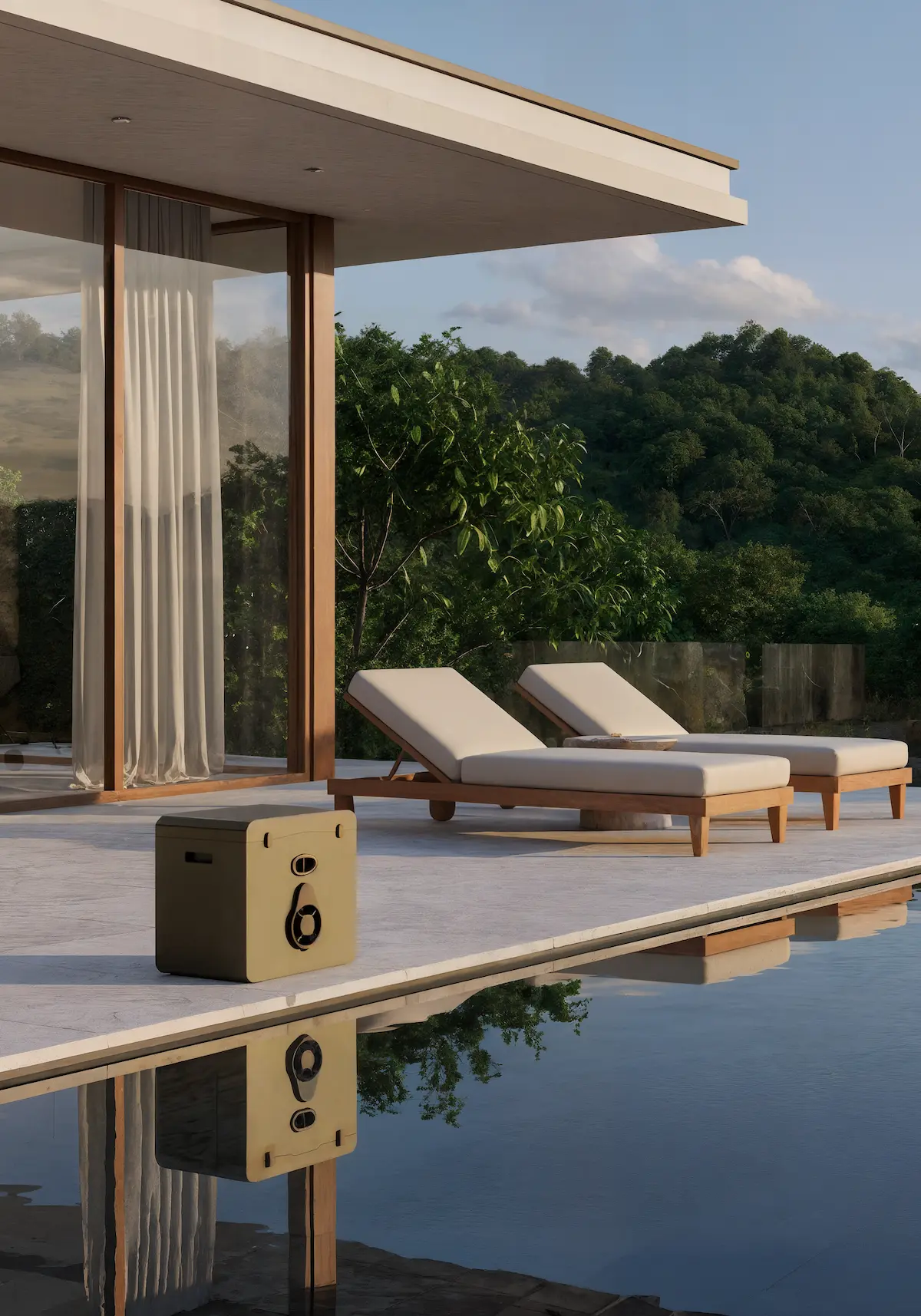
At Garden Reclaimer, we develop technological mosquito control solutions, including the GRéco terminal—designed and manufactured in France using 3D printing and developed in partnership with the CNRS. But we also believe in complementary approaches: pairing our trapping technology with natural methods like welcoming bats maximizes your garden's protection while preserving biodiversity.
Why is the bat an essential predator in a living garden?
The bat is an essential link in nocturnal biodiversity. As the only flying mammal, it occupies a specific ecological niche that makes it a formidable predator of numerous harmful insects. Its anatomy and echolocation abilities allow it to execute nocturnal hunting with surgical precision, primarily targeting invertebrate populations that become active at dusk. In a living garden, the presence of these bats ensures natural pest regulation, curbing the need for chemical treatments that often harm beneficial wildlife.
It is scientifically proven that bats, and more specifically pipistrelles, feed on a wide variety of prey: moths, beetles, and other flying insects. By exerting constant predation pressure, they contribute to the ecological balance of green spaces. Contrary to popular belief, the vast majority of species found across Europe are strictly insectivorous and pose no danger to humans. On the contrary, they are true allies when it comes to managing populations of garden and vegetable patch pests.
How can a bat house help fight mosquitoes?
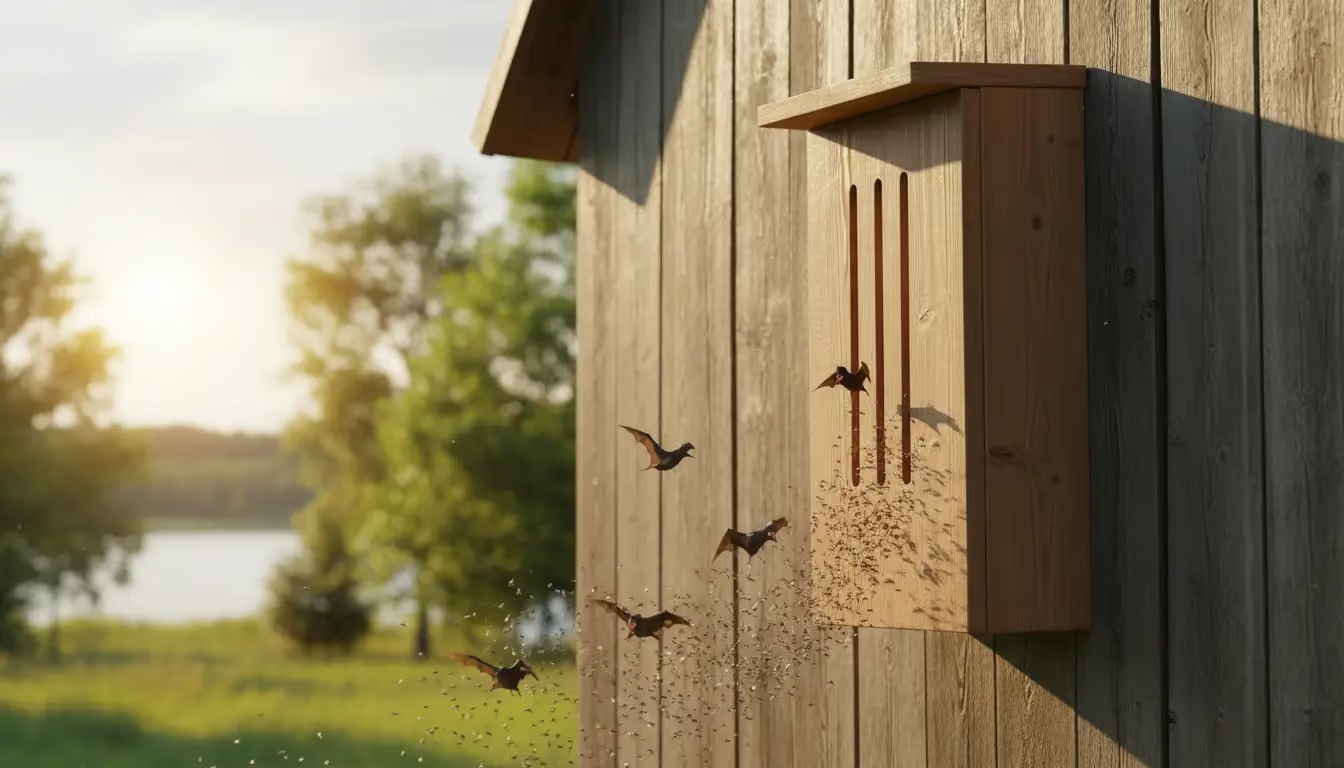
The bat house acts as a permanent hunting post in your garden. The principle is simple: by providing a suitable habitat, you establish a colony of predators near areas where mosquitoes thrive. A common pipistrelle can capture several hundred flying insects per night, including mosquitoes, moths, and beetles. This regular predation pressure helps reduce pest insect populations in a natural and sustainable way.
Scientific studies show that a bat colony established near a garden significantly reduces the density of flying insects in the area. Combined with other approaches—such as eliminating stagnant water or using the GRéco anti-mosquito station—this natural predation contributes to a comprehensive strategy for reducing nuisances. You limit bites without resorting to chemicals, all while supporting a balanced ecosystem.
What is the benefit of installing a bat shelter at home?
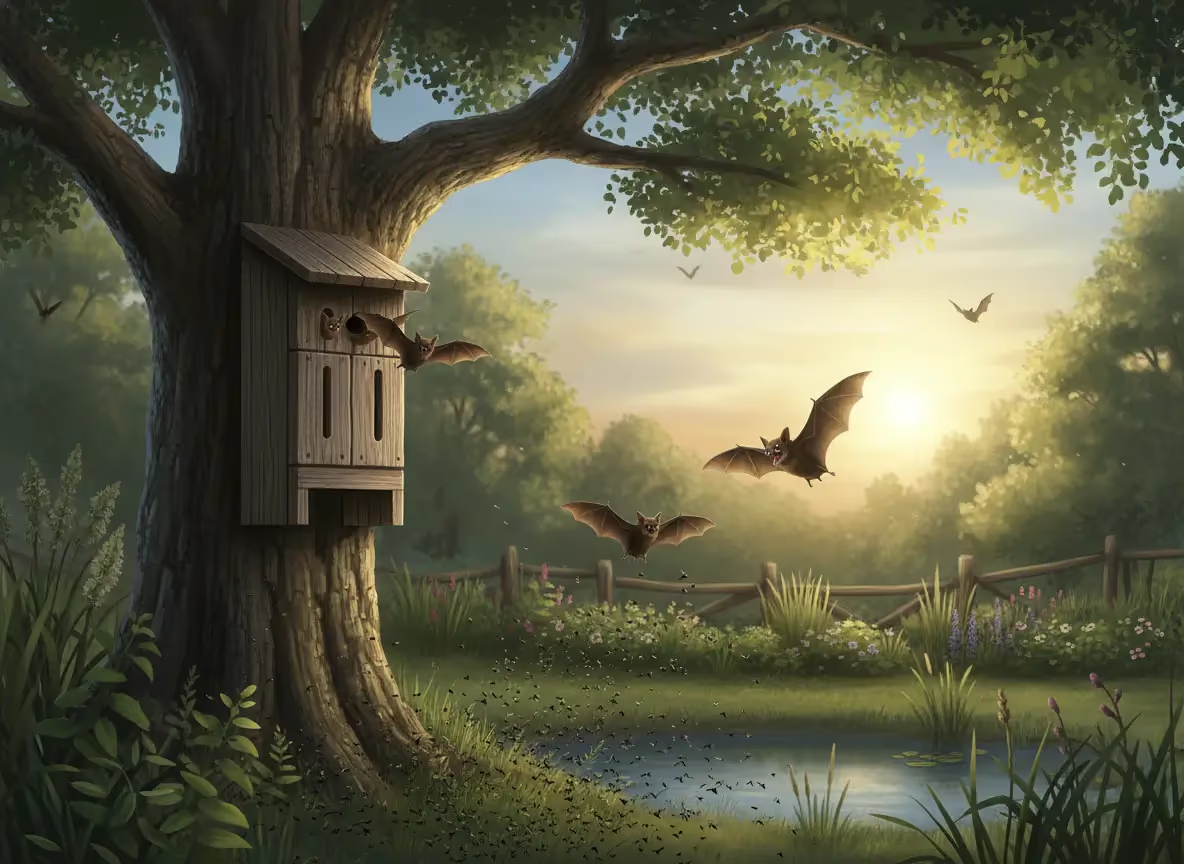
The greatest benefit of installing an artificial roost is that it offsets the loss of natural habitats. In urban and suburban settings, cavities in mature trees, attics in old buildings, and crevices in walls are disappearing in favor of airtight construction. Welcoming bats onto your property helps make up for this shortage of natural shelters and supports the conservation of bats, many of which face extinction. A bat box provides a safe haven from harsh weather and domestic predators like cats.
What's more, putting up this kind of shelter lets you observe a fascinating biological cycle firsthand. Bats play an essential role as environmental sentinels; their presence often signals a healthy, low-pollution ecosystem. By installing a bat box, you take an active part in preserving local biodiversity while enjoying free ecosystem services. It's a proactive step that turns an ordinary property into a sanctuary, crucial for the survival of bats whose habitat is under threat from urban sprawl.
How should you place your bat shelter to maximize occupancy?
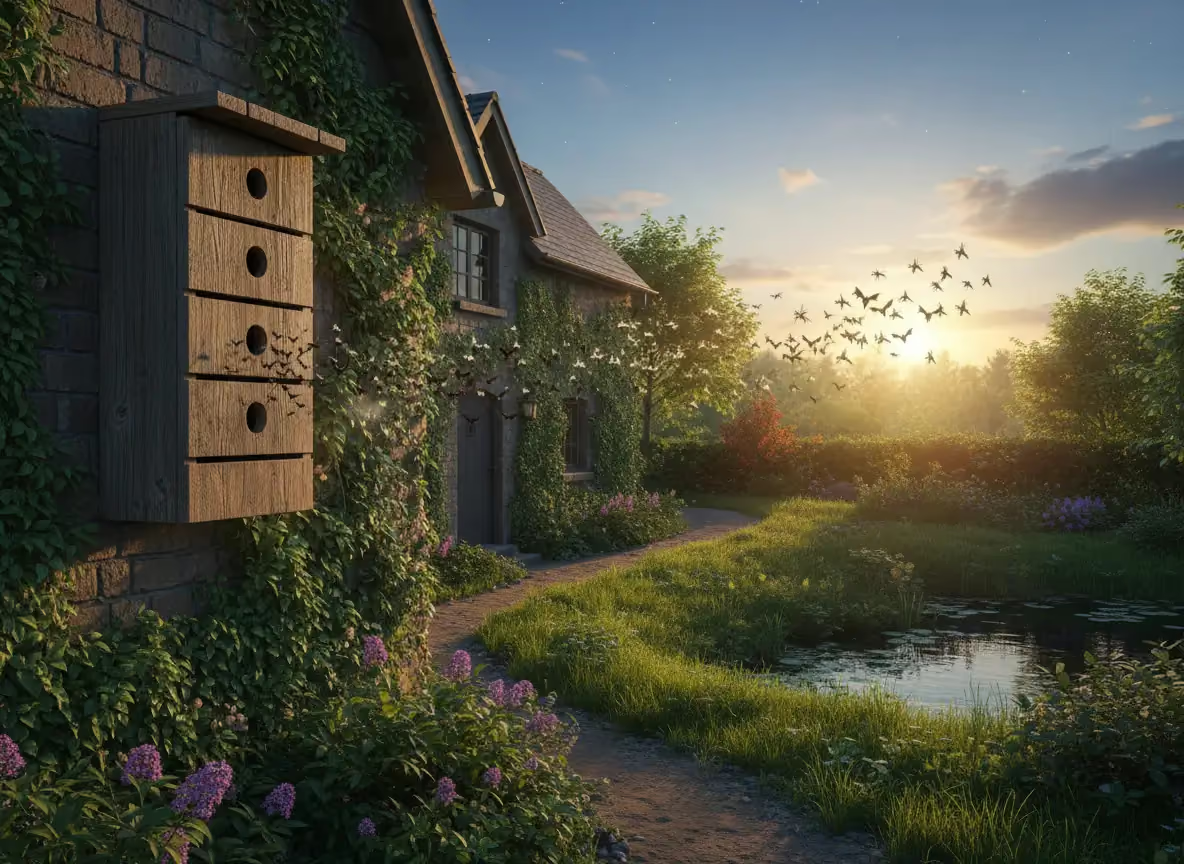
To ensure your bat box gets colonized, you can't just hang it anywhere. These creatures are extremely particular about the thermal conditions inside their roost. It is essential to mount the box at least 4 meters (13 feet) off the ground to ensure safe takeoff clearance and deter ground predators. The ideal orientation is generally facing southeast, giving the box plenty of morning sun to warm the colony after a night of foraging while preventing blistering heat buildup in the afternoon.
The immediate surroundings are just as vital. It is best to place the box near a pond or water feature, as these areas naturally draw insects and provide the mammals with an easy drink as soon as they emerge from the roost. Steer clear of spots exposed to heavy light pollution, since nearby streetlamps can disrupt their circadian rhythms and mask lurking predators. A quiet location free of flight hazards (such as branches and wires) is key to attracting them over the long haul.
What are the characteristics of an ideal bat house to attract them?
An effective bat box must meet strict design standards. Unlike birdhouses, bat boxes are flat and narrow. The entrance slit at the bottom should not exceed a few centimeters in width to keep birds and larger predators out. The interior must have grooved or rough surfaces so the animals can cling easily. Using untreated wood planks is critical, as bats are highly sensitive to chemical fumes.
Bat houses, available commercially or DIY-friendly using untreated wood, are an excellent complement to technological solutions. In parallel, the GRéco anti-mosquito station from Garden Reclaimer directly targets adult female mosquitoes using its patented reactor (CO2, heat, humidity, and pheromones captured from the ambient air). The combination of natural predation and technological capture offers maximum protection.
Guano: how to turn droppings into natural fertilizer?
One of the most overlooked perks of having bats around is their production of guano. Though their droppings are sometimes seen as a minor nuisance when small pellets collect beneath the roost, they are actually one of the world's most potent fertilizers. Packed with nitrogen, phosphorus, and potassium, bat guano can be harvested and used as a premium natural fertilizer for your flower beds and vegetable plots. It's the ultimate closed-loop cycle for your garden.
Harvesting it is simple: just set a collection tray or tarp right beneath the roost entrance. A few grams of this nutrient-rich substance are all it takes to stimulate plant growth and boost natural defenses. Unlike synthetic fertilizers, guano preserves soil structure and stimulates beneficial microbial life. So, on top of tackling mosquitoes, your valuable winged allies directly enhance the health and productivity of your living garden.
Why give up insecticides to encourage the presence of bats?
Using chemical insecticides often backfires if you want to establish a bat colony. Pesticides build up in the tissues of the insects bats feed on, leading to chronic poisoning that damages their fertility and reduces survival rates. To create a favorable habitat, eliminating chemical treatments throughout your garden is non-negotiable. Embracing natural insectivorous pest control protects not only the bats, but the health of your entire food web.
If bats sense that an area has been depleted by chemicals, they will abandon the site to find healthier hunting grounds. A sprayed garden becomes a biological wasteland where their food source simply vanishes. By accepting minor imperfections in your lawn and flowerbeds, you foster genuine ecological balance. Garden Reclaimer champions this holistic approach: pairing natural solutions like bat boxes with targeted trapping technology like our GRéco terminal. Together, they safeguard your garden without the need for toxic chemicals.
Which species found in France are likely to occupy your shelter?
France is home to around thirty bat species, but only a handful of species common in suburban areas are likely to move into an artificial bat box. Pipistrelles (Pipistrellus pipistrellus) are the most widespread and the most accustomed to living alongside people. They are tiny and favor tight roosting spaces behind siding or inside bat boxes. You might also spot serotine bats or noctules, though the latter tend to prefer roomier tree cavities.
Each species has distinct needs depending on the season: the breeding season, pup-rearing, or the pre-hibernation phase. Certain species use bat boxes as stopover roosts along their migration routes or as summer quarters. By setting up diverse types of bat boxes, you increase your odds of sheltering multiple individuals across different species, boosting your property's biodiversity. Successful bat conservation begins with an in-depth understanding of the species present in France and their specific ecological needs.
How to create a favorable environment around your bat habitat?
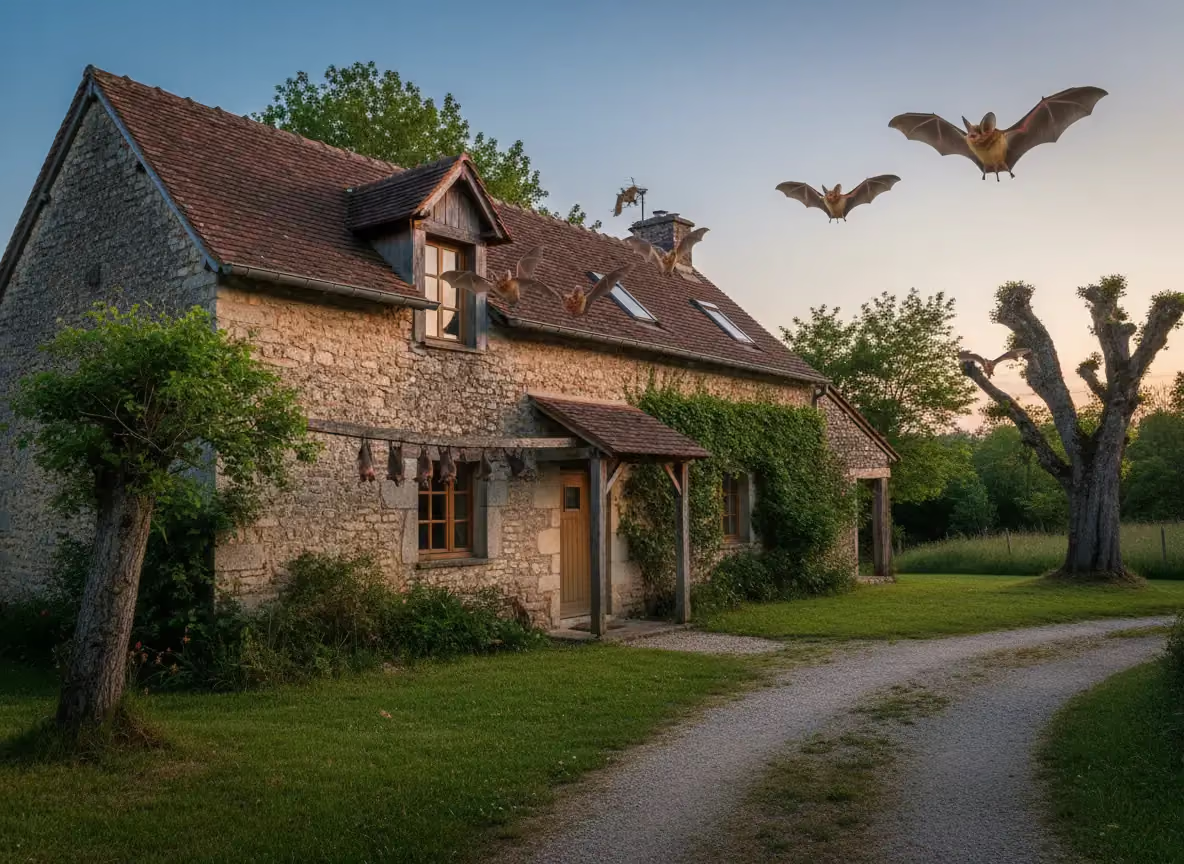
Mounting a bat box is just the first step; you also need to make your property inviting. A vibrant, living garden must provide varied food sources. Planting night-blooming flowers that attract moths (such as evening primrose or night-scented jessamine) creates a natural pantry for your nighttime guests. A water feature, even a small one, is an exceptional draw to attract them. Lastly, turn off or tone down outdoor lighting to reduce light pollution, which disorients these light-sensitive animals.
If you treat them with respect and avoid disturbing them during daylight hours, colonies will return year after year. Bats have long suffered from unfair misconceptions, but once households become accustomed to their presence, they notice a dramatic decline in mosquito activity. By restoring natural habitats or installing purpose-built shelters, you become an active conservation partner. Garden Reclaimer supports you every step of the way with our GRéco terminal, which works hand-in-hand with bats by actively capturing female mosquitoes across a 60-meter radius. Bat box + GRéco: your garden becomes a peaceful sanctuary, completely free of chemicals.
Summary of key points to remember
- Bats are massive insectivorous predators capable of regulating mosquito populations without chemicals.
- A well-designed bat house must be thermally insulated, have a rough interior, and be free of any toxic treatments.
- Placement is crucial: a minimum height of 4m, a southeast orientation, and no obstacles.
- The guano produced is an excellent natural fertilizer for the garden.
- The garden's biodiversity (water, nectar-producing plants) determines the success of the installation.
Frequently Asked Questions (FAQ)
Why is it crucial to promote bat conservation without using insecticides?
The protection of bats is critical, as these mammals serve as top-tier natural pest controllers. Heavy insecticide use in residential gardens causes indirect yet devastating mortality rates among bats that ingest contaminated insects. By ditching synthetic chemicals, you free bats to hunt for larvae, aphids, and other pests infesting your plants. Combining natural bat predation with targeted trapping via Garden Reclaimer's GRéco terminal delivers a sustainable, long-term solution that honors your garden's ecosystem.
Which bat species are most common in artificial shelters?
There are many species in France (about thirty), but they do not all occupy the same types of shelters. Artificial flat bat boxes are particularly well-suited to pipistrelles, long-eared bats, and certain mouse-eared bats, which prefer narrow spaces. Within a colony, we often distinguish between solitary males and female colonies dedicated to raising their young. All these species are protected by French law, and their presence is a reliable indicator of a healthy and balanced environment.
How can I optimize my garden environment with hedges and shrubs?
To draw in these aerial predators, plant mixed hedgerows and native shrubs. These landscape features act as flight corridors and hunting grounds teeming with insect life. Bats are particularly drawn to damp spots and the edges of fruit tree orchards, where they scoop up caterpillars and assorted beetles. The LPO (French League for the Protection of Birds) emphasizes that garden architecture—featuring species such as pine or hollow trees—plays a decisive role in providing a safe haven alongside artificial roosts.
Is it possible to coexist with tits and bees?
Absolutely. A living garden can comfortably accommodate tits in their own nest boxes alongside pollinating bees and wasps without any conflict. Bats are strictly insectivorous and concentrate on nocturnal pests. While tits control caterpillars by day, bats take over the night shift to curb any infestations of mosquitoes or moths. This natural synergy keeps your fruit trees safe and promotes optimal pollination.
Why is a bat box preferable to them occupying the attic or roof?
While bats sometimes use attics or roof crevices, installing an outdoor bat box helps keep them out of inhabited structures. This avoids cleaning issues while providing a thermally stable habitat. Commercial bat boxes, designed to mimic natural cavities, ensure harmonious coexistence between humans and these protected mammals. Combined with a GRéco anti-mosquito trap for active capture, it is a complete, chemical-free pest management strategy.
In short, harnessing bats for mosquito control is a forward-thinking solution that pairs high efficiency with ecological ethics. By mounting a bat box, you give these valuable allies a chance to reclaim their place in our developed landscapes while enjoying sustainable, natural protection for your outdoor spaces.