
Mosquitoes in autumn and winter: why are they still around?
The days are getting shorter, the evenings are turning chilly, and the heating is back on. Yet, a mosquito is still buzzing in the bedroom, or a few bites occur on the patio. How can we explain their presence now that summer is over?
Mosquitoes don't all disappear with the first cold snap. Some remain active when conditions allow; others spend the winter dormant or as eggs. Their survival strategy depends largely on the species and their environment.
Why do we still see mosquitoes in autumn?
Mosquito activity depends on local conditions. The end of summer does not, therefore, cause a simultaneous halt in every garden. A mild spell can prolong their presence, particularly in sheltered areas. For the tiger mosquito, the ECDC reports extended activity seasons and even winter sightings in certain Mediterranean regions. [1]
Cities also feature microclimates that are warmer than their surroundings. An experimental study published in 2023 on Culex pipiens suggests that a rise in autumn temperatures, comparable to an urban heat island effect, can delay the onset of dormancy. This result does not mean that all mosquitoes remain active all year round. [2]
The cold we feel is not, by itself, an indication that conditions have become lethal for all the mosquitoes in the vicinity.
How do mosquitoes spend the winter?
The tiger mosquito survives mainly in egg form
In temperate regions, Aedes albopictus mainly spends the winter in the egg stage. As the cold season approaches, the shortening of the days is perceived by the females and promotes the production of eggs capable of entering diapause. [3]
Diapause corresponds to a programmed suspension of development. It allows them to get through an unfavorable period and is not just a slowing down caused by a cold night.
Eggs laid on the sides of small containers can thus remain unnoticed for months. When their diapause is over, they still wait for favorable conditions, particularly the return of water, to hatch. A container that appears empty during the winter can therefore hold eggs capable of contributing to the population's resurgence. [1, 3]
Some common mosquito females remain as adults
The strategy is different for Culex pipiens, form pipiens. Fertilized females spend the cold season in a state of reproductive diapause. They suspend their reproduction and their search for blood meals, then use the reserves built up beforehand. [4]
Before this period, they feed on sugar sources and accumulate lipids. This preparation contributes to their survival during the months they remain at rest. It is therefore not necessarily a mosquito that continues to bite all winter long. [4]
Shelters such as cellars or certain buildings provide overwintering sites. When favorable conditions return, the surviving females can resume their activity. [5]
Some forms can remain active in basements
Not all Culex mosquitoes follow the exact same cycle. The EID Rhône-Alpes notes that Culex pipiens (molestus form) larvae and adults can persist year-round, particularly in cellars and boiler rooms. [5]
This may explain the presence of mosquitoes in a building in the middle of winter. However, simply observing them does not allow for certain identification of the species: one must also examine the insect and investigate the source of its presence.
MosquitoTypical winter strategy in temperate climatesTiger mosquito, Aedes albopictusOverwinters primarily as eggs in diapauseCulex pipiens, pipiens formAdult females overwinter in diapause in sheltersCulex pipiens, molestus formLarvae and adults can persist year-round in suitable environments
These examples show why it is difficult to speak of a single "mosquito season" that applies to every situation. [1, 4, 5]
Is frost enough to eliminate mosquitoes?
Cold can cause significant mortality, but a frost event does not guarantee the disappearance of a population.
Resistance depends on the stage of development, the specific population, the duration of exposure, and the actual temperature experienced in their shelter. In a 2012 study, European tiger mosquito eggs that had undergone diapause survived certain exposures to sub-zero temperatures. [6]
These results do not provide a universal temperature at which all mosquitoes die. Above all, they show that a garden where the adults have disappeared may still harbor eggs capable of surviving the winter.
What steps should be taken in autumn and winter?
The cold season is a useful time to store containers and fix installations that collect water. The goal is to reduce breeding opportunities when activity resumes.
- Empty and store unused items: saucers, buckets, watering cans, toys, and small containers exposed to rain. Scrub the sides of containers: emptying them alone may leave eggs attached to the surface. Protect useful water reserves: check lids and screens on rain barrels. Check drainage: remove leaves clogging gutters and report drainage issues. Look for persistent standing water when mosquitoes remain present in or around a building. [5, 7, 8]
Mechanical cleaning and storage thus complement the monitoring of water sources. A well-protected reserve can remain useful for watering without being accessible to mosquitoes.
Prepare for the next season with an adapted strategy
Understanding their winter survival helps anticipate the return of mosquitoes. During the off-season, prevention focuses on containers and equipment that could facilitate their development.
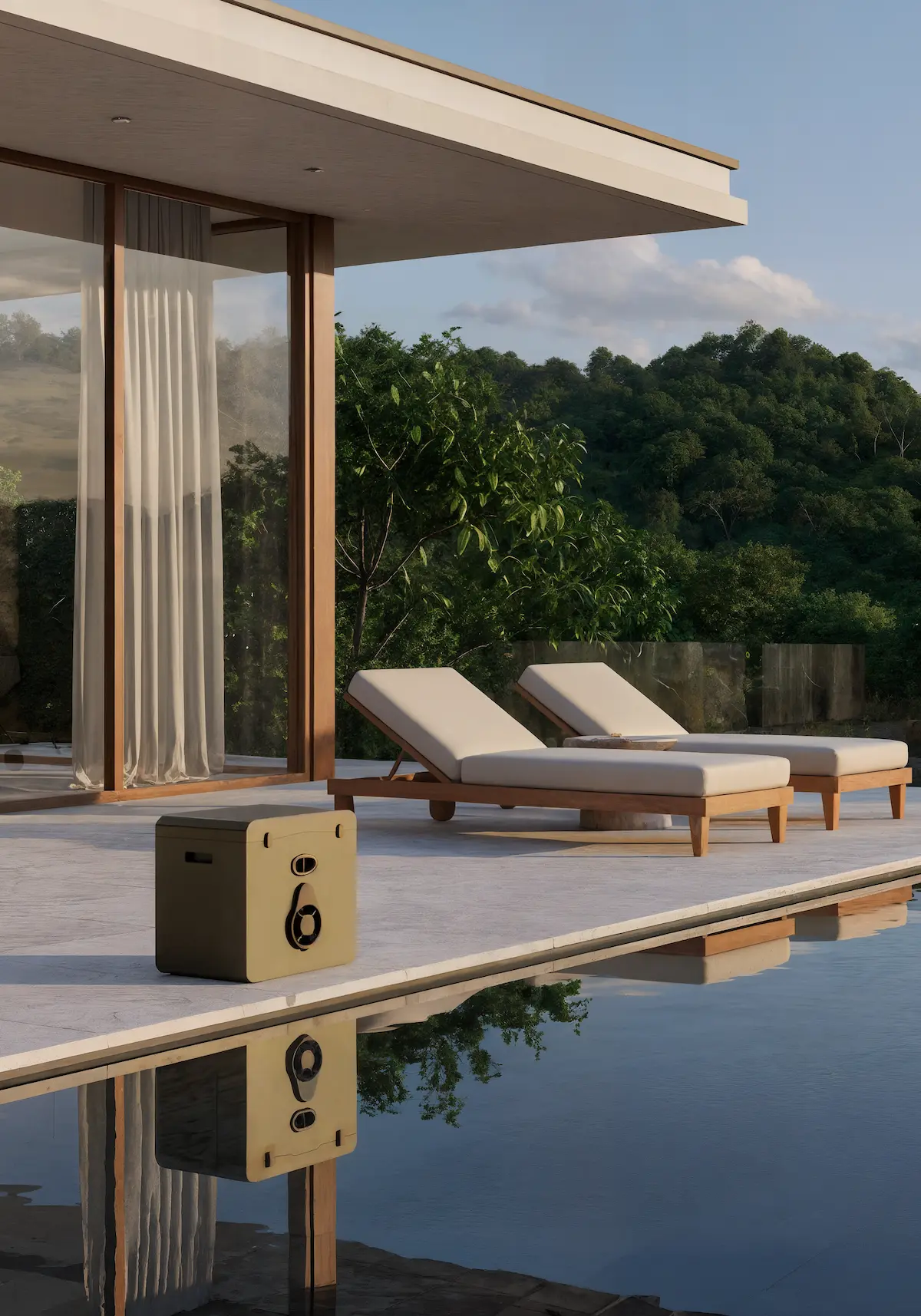
When adult mosquitoes become active again, trapping can complement these efforts. The GRéco unit attracts mosquitoes using signals including CO₂ and olfactory attractants, then captures them via suction. Its operation does not require a gas cylinder to be replaced. [9]
An adult mosquito trap does not destroy dormant eggs in diapause. Managing breeding sites and installing equipment therefore address complementary needs.
For a garden, residence, or professional establishment, winter can be used to examine frequented areas, site constraints, and the installation schedule adapted for the resumption of activity.
Looking to get your outdoor space ready for next season? Discover how GRéco works or contact Garden Reclaimer to discuss your project.
Sources