Diseases transmitted by mosquitoes - Transmission vector
March 18, 2026
8
Min reading
Diseases transmitted by mosquitoes - Transmission vector
Written by
Benjamin Markarian
Les mosquito-borne diseases represent one of the most significant health threats in the world. Each year, more than 700 million people are infected by viruses or parasites carried by these insects, causing more than one million deaths according to the World Health Organization (WHO). In French France, the growth of Tiger mosquito (Aedes albopictus) is radically changing the situation: this vector, now established in more than 78 departments in 2024, makes possible the local transmission of dengue, chikungunya and Zika on metropolitan soil. Chez Garden Reclaimer, specialist in eco-responsible mosquito repellents, we measure on a daily basis the urgency of understanding these mechanisms in order to better protect ourselves from them.
What is an arbovirus and why are mosquitoes such effective vectors?
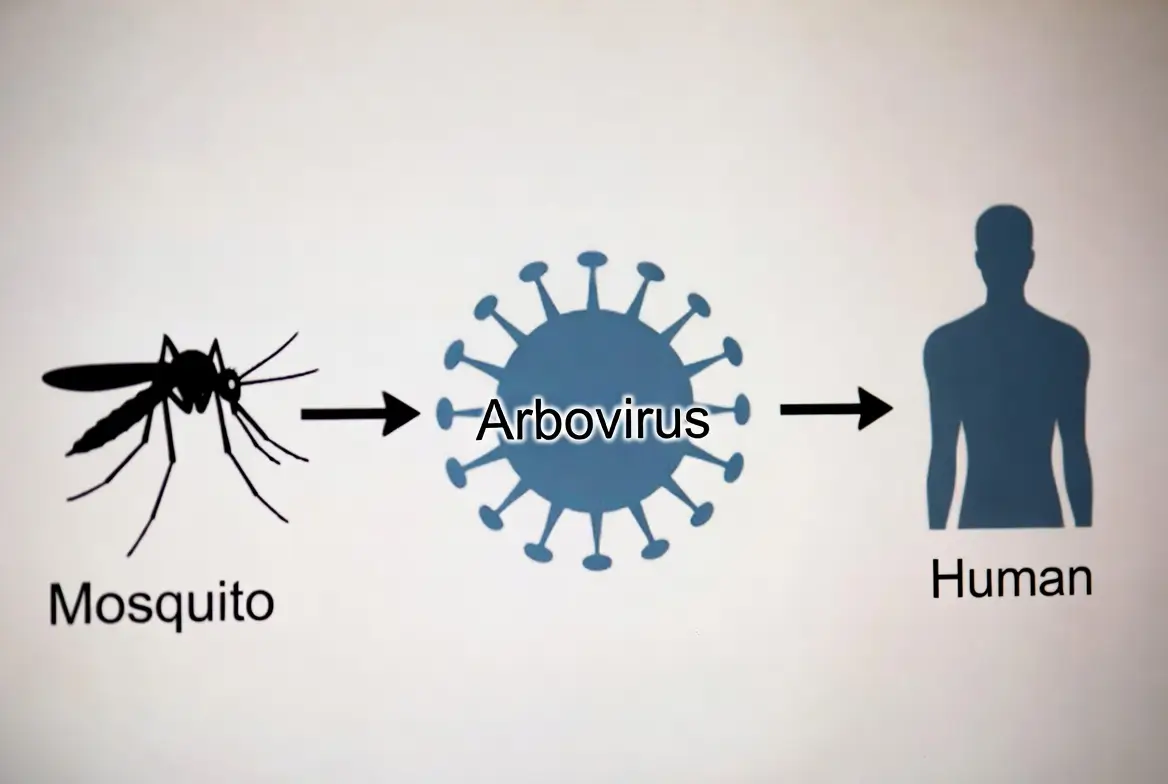
Les Arboviruses refer to all diseases caused by Arbovirus (from English Arthropod-borne viruses), i.e. viruses transmitted by hematophagous arthropods such as mosquitoes, ticks, or phlebotomes. This transmission mechanism makes the mosquito a vector biological effectiveness is extremely effective, because the virus replicates actively in its body before being injected into the human host during a bite.
In concrete terms, here is why a mosquito is such a dangerous vector:
Silent sting : the insect injects its anesthetic saliva, which delays the detection of the sting and reduces the defensive reaction.
Internal virus replication : after biting an infected person, the mosquito digests the blood and the virus colonizes its salivary glands in 8 to 12 days (extrinsic incubation period).
Multiple transmission : the same individual can bite several people during a single interrupted blood meal, thus multiplying the risks of infection.
Climate adaptability : mosquito vector species adapt to urban and peri-urban areas, where human density is highest.
Les Arboviruses are now a major global public health problem. Dengue alone affects between 100 and 400 million people per year, according to WHO data (2023), and climate change is accelerating the geographical spread of mosquito vectors to latitudes that were formerly spared.
Dengue, Zika, chikungunya: what are the main diseases transmitted by Aedes mosquitoes?
Les mosquito-borne diseases Of the genre Aedes group together three major arboviruses whose symptoms are similar, which generates frequent diagnostic errors. Dengue, Zika, and Chikungunya share the same main vector, Tiger mosquitoAedes albopictus and Aedes aegypti and often travel in the same geographical areas.
Dengue: the most common arboviral disease in the world
La dengue is caused by the Dengue virus (DENV), which is divided into four distinct serotypes. Les symptoms include high fever (often over 39°C), headaches intense, muscle and joint pain severe, as well as a skin rash (exanthema cutaneous). In its severe form, dengue can cause hemorrhagic internal, with a case fatality rate of up to 5% without appropriate care.
Incubation : 4 to 10 days after the injection.
Duration : the symptoms usually appear and persist for 5 to 7 days.
Specificity : there is no direct antiviral treatment; management is symptomatic.
Chikungunya: joint pain as a clinical signature
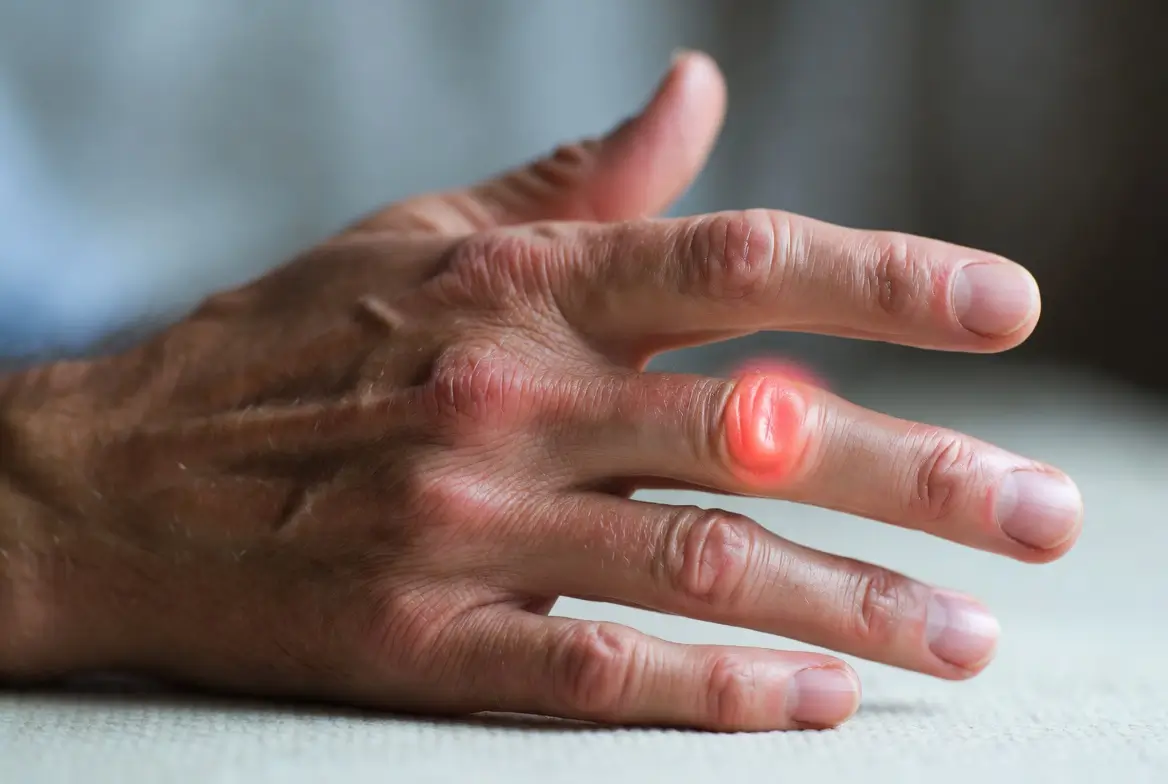
The Chikungunya is a virus whose name, coming from Swahili, literally means “the one who walks bent over”, in reference to joint pain debilitating effects that it causes. Les symptoms may last several weeks to several months, with episodes of chronic polyarthralgia that permanently disable patients. Les symptoms of Those of chikungunya are often confused with Those of Zika or dengue at first.
Muscle pain : present from the first 48 hours.
Fever : sudden, often above 38.5°C.
Skin rash : present in about 50% of cases.
Zika: a major teratogenic risk for pregnant women
The Zika is a virus of particular concern because of its serious neurological complications. The people infected with the Zika virus are often asymptomatic (around 80% of cases), but in pregnant women, the virus can cause microcephaly fetal -- a serious brain malformation in the newborn. The 2015-2016 Brazilian epidemic highlighted this threat, with over 2,600 confirmed cases of microcephaly.
Transmission : mosquito bite infected with the Zika virus, but also sexual transmission.
Neurological risk : Guillain-Barré syndrome possible in adults.
Comparison of the main arboviruses transmitted by mosquitoes:
Comparatif des principales arboviroses transmises par les moustiques
Maladie
Vecteur principal
Symptômes clés
Gravité
Présence France hex.
Dengue
Aedes aegypti / Ae. albopictus
Fièvre, maux de tête, douleurs musculaires, hémorragie (forme sévère)
Élevée
How does a mosquito transmit a virus to humans? The vector mechanism explained
Understand how a mosquito can transmit A virus is essential to understand the real risks of Mosquito bites. Transmission does not occur mechanically as for a contaminated syringe: it involves a precise biological cycle within the insect's body.
Here are the four stages of the vector transmission cycle:
Infectious blood meal : the female mosquito bites a infected person (or a reservoir animal) and ingests blood containing the viruses or Parasites.
Extrinsic incubation : the pathogen replicates in the mosquito's intestine and then migrates to its salivary glands. This phase lasts 8 to 14 days depending on the ambient temperature.
Transmission sting : during a new blood meal, the Infected mosquito injects its saliva, which now contains the pathogen in sufficient quantity to infect the human host.
Intrinsic incubation : in humans, symptoms usually appear between 4 and 14 days after the sting, depending on the Transmitted virus.
On the other hand, the mosquito cannot transmit a virus through simple physical contact or through its faeces. Only the sting creates the transmission vector. Therefore, avoid bites remains the most effective protective measure, even before any curative treatment.
Malaria and yellow fever: mosquito-borne diseases that still kill massively
Beyond the Arboviruses related to gender Aedes, others mosquito-borne diseases continue to ravage some regions of the world. The malaria And the Yellow fever are the deadliest examples.
The malaria is not caused by a virus but by Parasites Of the genre Plasmodium, transmitted by female mosquitoes of the genus Anopheles. In 2022, the WHO recorded 249 million cases of malaria in the world, including 608,000 deaths, mainly in sub-Saharan Africa. The vectors of this disease are not present in mainland France, but imported cases are numerous: more than 6,000 human cases are reported each year in France.
La Yellow fever, for its part, is a Arbovirosis potentially fatal caused by a flavivirus, transmitted mainly by Aedes aegypti in tropical areas of Africa and South America. Ses symptoms -- high fever, jaundice, hemorrhage -- can be fatal in 20 to 50% of untreated severe cases. The Chikungunya and yellow fever thus belong to the same register of severe threats, although their vectors and their areas of circulation differ.
Malaria prevention : drug chemoprophylaxis and physical repellents.
Yellow Fever Prevention : compulsory vaccination for certain trips to endemic areas.
Common protection : long clothes, repellents approved, impregnated mosquito nets.
West Nile virus (West Nile Virus): an emerging arboviral infection in France
In terms of surveillance of vector-borne diseases on French soil, the West Nile Virus -- or West Nile virus -- has occupied an increasing position for several years. Transmitted by mosquitos of the genus Culex (in particular Culex pipiens, a very common species in France), this virus circulates between migratory birds and mosquitoes, with humans as the accidental host.
Concretely, in France hexagonal, the first aboriginal cases humans linked to the West Nile Virus were detected as early as 2015 in the Var, then Numerous cases have been confirmed in the regions around the Mediterranean. In 80% of cases, the infection is asymptomatic. However, in about 1% of cases, the virus causes potentially fatal encephalitis or meningitis, especially in the elderly and immunocompromised.
Mosquito vectors : Culex pipiens mostly.
Animal tank : migratory birds (corvids, raptors).
Symptoms (symptomatic form): fever, headache, skin rash, severe fatigue.
Oversight : the monitoring device is based on detection in birds, equines and humans via doctors and laboratories partners of Public Health France.
Surveillance of vector-borne diseases in France: how do health authorities monitor cases of arboviruses?
La disease surveillance vectorial in France is organized around a monitoring device multi-level coordinated by Public Health France, in collaboration with the Regional Health Agencies (ARS) and the network entomological national. This system integrates both a entomological surveillance (monitoring mosquito populations and their geographical location) and human epidemiological surveillance.
La Statement of cases is based on two main pillars:
Notifiable diseases (MDO) : Dengue, chikungunya, malaria and Zika are among the reportable diseases. Doctors and laboratories are required to report any confirmed case to health authorities.
Case statement imported and indigenous: every summer, Santé Publique France publishes a weekly review of Arbovirus cases detected in France, distinguishing imported cases (back from a trip) and local transmission.
In 2023, more than 130 Dengue cases Aboriginals were recorded in French France, a figure that was up sharply compared to previous years. This data illustrates the development risk OfAn epidemic local, especially during the period of activity of the tiger mosquito, from May to November.
The World Mosquito Program and other international initiatives are also working on the development of innovative biological strategies (releases of mosquitoes carrying the bacteria). Wolbachia) for limit the risk transmission of arboviruses on a large scale.
Arbovirus surveillance system in France
Dispositif de surveillance des arboviroses en France hexagonale (2024)
Composante
Acteurs
Données collectées
Fréquence
Surveillance entomologique
EID Méditerranée, ARS, collectivités
Densité et implantation du moustique tigre ; cartes de répartition
Hebdomadaire (mai-nov.)
Déclaration obligatoire (MDO)
Médecins, laboratoires, hôpitaux
Cas confirmés de dengue, chikungunya, Zika, paludisme
Immédiate dès diagnostic
Surveillance humaine
Santé publique France, réseau Sentinelles
Cas autochtones, cas importés, clusters
Bulletin hebdomadaire
Surveillance animale
ANSES, vétérinaires, LNR
Oiseaux, équidés (West Nile Virus), rongeurs
Continue
Communication publique
ARS, mairies, Santé publique France
Alertes épidémiques, conseils de prévention des maladies
En temps réel si alerte
Sources : Santé publique France, ECDC, ARS (2024).
What concrete measures can we take to protect ourselves against mosquito-borne diseases?
La disease prevention vectorial is based on a simple principle but one that cannot be repeated enough: avoid bites is the first line of defense, before any treatment. En France hexagonal, where the tiger mosquito is active from May to November, control measures must be articulated at three levels: individual, domestic and collective.
On an individual level:
Skin repellents : products based on IR3535, DEET or Picaridin are approved by ANSES and constitute ways to avoid the most reliable bites.
Long clothes : covering arms and legs during the period of mosquito activity significantly reduces exposure to bites.
Mosquito nets : essential at night, especially for infants and pregnant women.
On the domestic level, the Mosquito control Start with limit the risk of proliferation by removing larval sites: any stagnant water in a cup, bucket or gutter constitutes a potential egg-laying site for Aedes albopictus mosquito.
It is precisely in this logic that we have designed our anti-mosquito terminals: eco-responsible devices that act within the perimeter of the garden or terrace, against transmitted diseases by mosquitoes, without the use of aggressive chemicals. La Mosquito control effective is a preventive, continuous fight adapted to the environment of each home.
Is climate change accelerating the spread of mosquito-borne diseases in Europe?
This question is now at the heart of the work of the European Center for Disease Prevention and Control (ECDC). The answer is unambiguous: climate change effectively expand the areas of circulation of mosquito-borne diseases, creating favorable conditions for the establishment of new Mosquito species in regions that have been historically unaffected.
Indeed, the increase in average temperatures extends the season of activity of mosquitoes and accelerates viral replication within them (reduced extrinsic incubation period). Therefore, The regions where The tiger mosquito was absent twenty years ago -- especially in northern France, Belgium, Germany -- are now seeing this vector gradually take root there.
In addition, the increase in intense rains is creating more breeding grounds in urban areas. Arboviruses, formerly confined to the tropics, are now approaching our climate borders. This reality imposes a disease surveillance strengthened and an adaptation of control measures at the European level.
Dengue in Europe : 130 indigenous cases in France in 2023; cases also reported in Italy and Spain.
West Nile Virus : expansion to northern Europe, with human cases detected in Germany and Austria.
Arbovirus control : ECDC experts recommend strengthening the entomological surveillance and plans of Mosquito control preventive in cities at risk.
FAQ — Frequently asked questions about mosquito-borne diseases
What are the most dangerous mosquito-borne diseases?
Les mosquito-borne diseases The most dangerous in the world are malaria, severe dengue, yellow fever, and encephalitis linked to the West Nile Virus. Malaria remains the most deadly, with 608,000 deaths recorded in 2022 according to the WHO, mainly in sub-Saharan Africa. En France hexagonal, it is dengue that represents the most concrete threat, with aboriginal cases confirmed every summer since 2010, carried by the Tiger mosquito established in 78 departments in 2024. Yellow fever, although absent in Europe, poses a serious risk for travelers to endemic areas in Africa and South America, with a case fatality rate that can exceed 50% in severe untreated forms. The severity of each disease depends on the virus involved, the profile of the person infected and the speed of medical care.
Can the tiger mosquito really transmit dengue in France?
Yes, the Tiger mosquito (Aedes albopictus) can transmit dengue in French France and already does so in a documented manner. For one local transmission occurs, three conditions must be met: the presence of the tiger mosquito in the area, the presence of a infected person (often after returning from a trip), and a temperature sufficient to allow the virus to replicate in the mosquito. In 2023, Public Health France recorded more than 130 Dengue cases indigenous people on metropolitan territory, mainly in the south of France. These cases demonstrate that the local transmission of dengue is no longer a theoretical scenario. The risk is intensifying every year as the tiger mosquito extends its range to the north of the country, making the disease prevention at the individual and collective levels, more urgent than ever.
How do you distinguish the symptoms of Dengue, Chikungunya, and Zika?
Distinguish these three Arboviruses is difficult because their symptoms initials look the same: fever, headaches, eruption cutaneous and fatigue. However, there are some signs that allow for diagnostic guidance. The Chikungunya is distinguished by joint pain particularly intense and persistent, often disabling for several weeks. La dengue is characterized by very severe bone and muscle pain, and can progress to a severe hemorrhagic form with warning signs (abdominal pain, bleeding, rapid drop in platelets). The Zika, on the other hand, is often asymptomatic or very slightly symptomatic in adults, but its main danger lies in its effects on the fetus in case of infection during pregnancy. Faced with any symptoms occurring within 15 days following a stinging in a risk zone, a quick medical consultation is necessary to avoid diagnostic errors and initiate appropriate surveillance.
What are the most effective ways to avoid mosquito bites?
Avoid Mosquito bites is based on a combination of individual protections and actions on the environment. En Prevention material, the most effective methods validated by the health authorities are repellents cutaneous treatments based on DEET (20-50%), IR3535 or Picaridin, applied to exposed areas, as well as the wearing of long clothes light-colored during the period of activity of the mosquito. At home, it is essential to remove all stagnant water within 7 days after a rain, because it is in these cottages that the Tiger mosquito It lays its eggs. Insecticide-treated mosquito nets remain the gold standard for protecting children and pregnant women at night. Finally, the devices of Mosquito control perimeter barriers, such as the mosquito bollards that we offer at Garden Reclaimer, are an effective complementary solution for securing outdoor living spaces without the use of diffuse chemical treatments.
What mosquito-borne viruses are being monitored in France in 2025?
In 2025, the disease surveillance with vectors in France focuses mainly on five pathogens: dengue, chikungunya, Zika, West Nile virus (West Nile Virus) and the Toscana virus (transmitted by sandflies, but monitored in the same device). These diseases are classified reportable diseases, which means that doctors and laboratories must immediately report any confirmed case to the competent Regional Health Agency (ARS). La Statement of cases feeds a weekly epidemiological bulletin published by Santé Publique France throughout the season of tiger mosquito activity. The monitoring device also includes a watch entomological continuously, with distribution maps tiger mosquito updates available on the site signalement-mosquito.fr. This surveillance architecture makes it possible to quickly detect any emergence of local transmission and to activate the control measures appropriate.
Do all mosquitoes transmit diseases?
No, not all mosquitoes transmit diseases, and this is an essential point in order to understand the real issues. Out of the 3,500 Mosquito species listed in the world, only a few dozen are vectors of these diseases for the human being. In France, the species to be monitored as a priority are Aedes albopictus mosquito (tiger mosquito) for dengue, chikungunya, and Zika, and Culex pipiens For the West Nile Virus. Les Mosquitos of the genusAnopheles, responsible for malaria, are not present in mainland France in conditions that allow local transmission. On the other hand, even non-vector species can cause allergic reactions, cutaneous superinfections at the sites of bites, and significant discomfort. La Mosquito control therefore remains relevant even outside of areas at risk of epidemic, in particular for comfort and quality of life on a daily basis.
Conclusion: act now to protect yourself from mosquito-borne diseases
Les mosquito-borne diseases are no longer a remote problem reserved for tropical travelers. The rise of the tiger mosquito in French France, combined with the effects of climate change, places these risks at the heart of our daily summer lives. Understanding the role of the vector, identifying symptoms and adopting concrete preventive measures are the three pillars of an effective response.
At Garden Reclaimer, we have developed a range of eco-responsible mosquito bollards designed to protect gardens, terraces and outdoor spaces without impacting the environment. Discover our solutions on garden-reclaimer.com and take action before the start of the next business season.







.webp)