The proliferation of Diptera in urban and rural environments represents a major public health concern in 2026. Faced with this threat, purchasing an effective mosquito lamp is often seen as the silver bullet for sanitizing our living spaces. This article aims to analyze, with academic rigor, the technological relevance of these devices in light of current entomological challenges.
Garden Reclaimer, a pioneer in ecological pest management, is at the forefront of this fight. With recognized expertise in using 3D printing to design biological traps, our brand is committed to transforming home protection. Unlike conventional approaches, Garden Reclaimer favors solutions based on insect ethology, ensuring lasting effectiveness without compromising the balance of local biodiversity.
Is a mosquito lamp really effective at attracting and controlling mosquitoes compared to sprays?
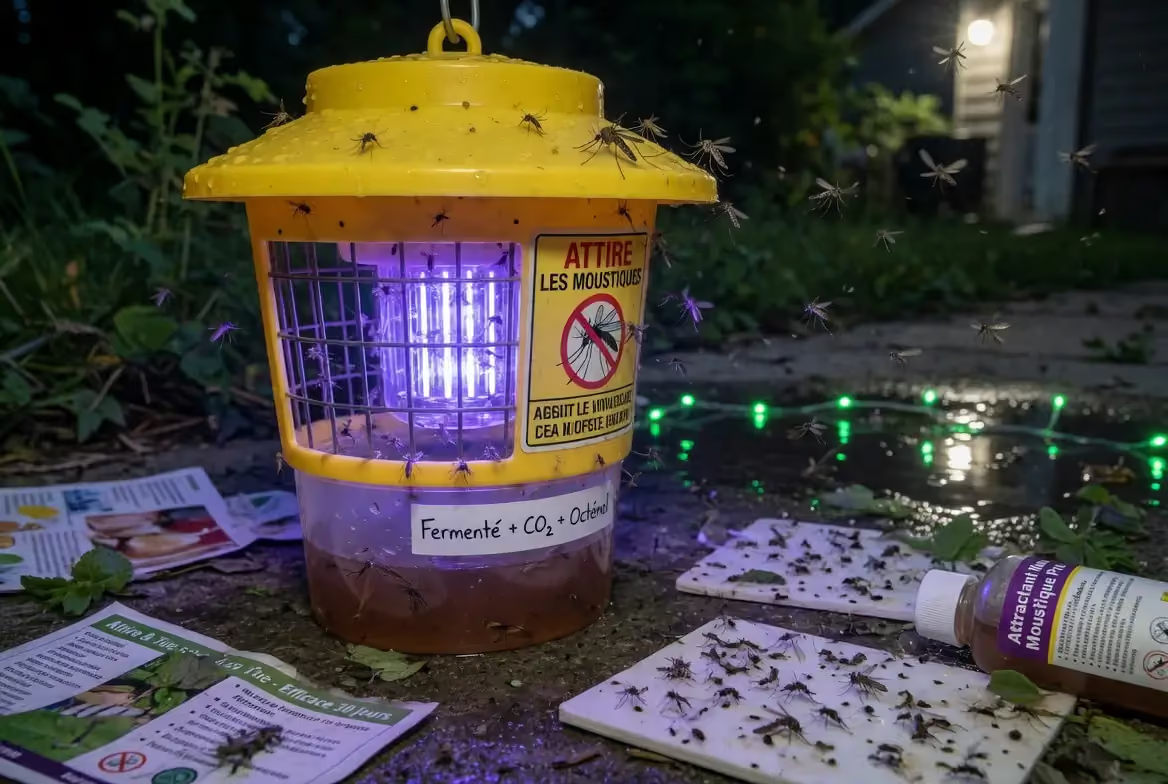
Questioning the true effectiveness of a mosquito zapper comes down to understanding the sensory stimuli of the mosquito. Scientifically, the mosquito is not primarily attracted to light, unlike other flying insects. Its guidance system relies on detecting carbon dioxide and body heat. Consequently, using a traditional mosquito lamp sparks debate within the scientific community regarding its ability to attract mosquitoes selectively.
By comparison, skin spray containing DEET or icaridin works by blocking the insect's olfactory receptors, creating a direct barrier. However, mosquito lamps offer the distinct advantage of requiring no chemicals on the skin. To be truly effective, a lamp must incorporate technologies beyond mere UV light, such as dispersing olfactory lures that mimic human respiration. The goal is to intercept the pest long before it can deliver a bite.
How does a mosquito lamp work to attract insects?
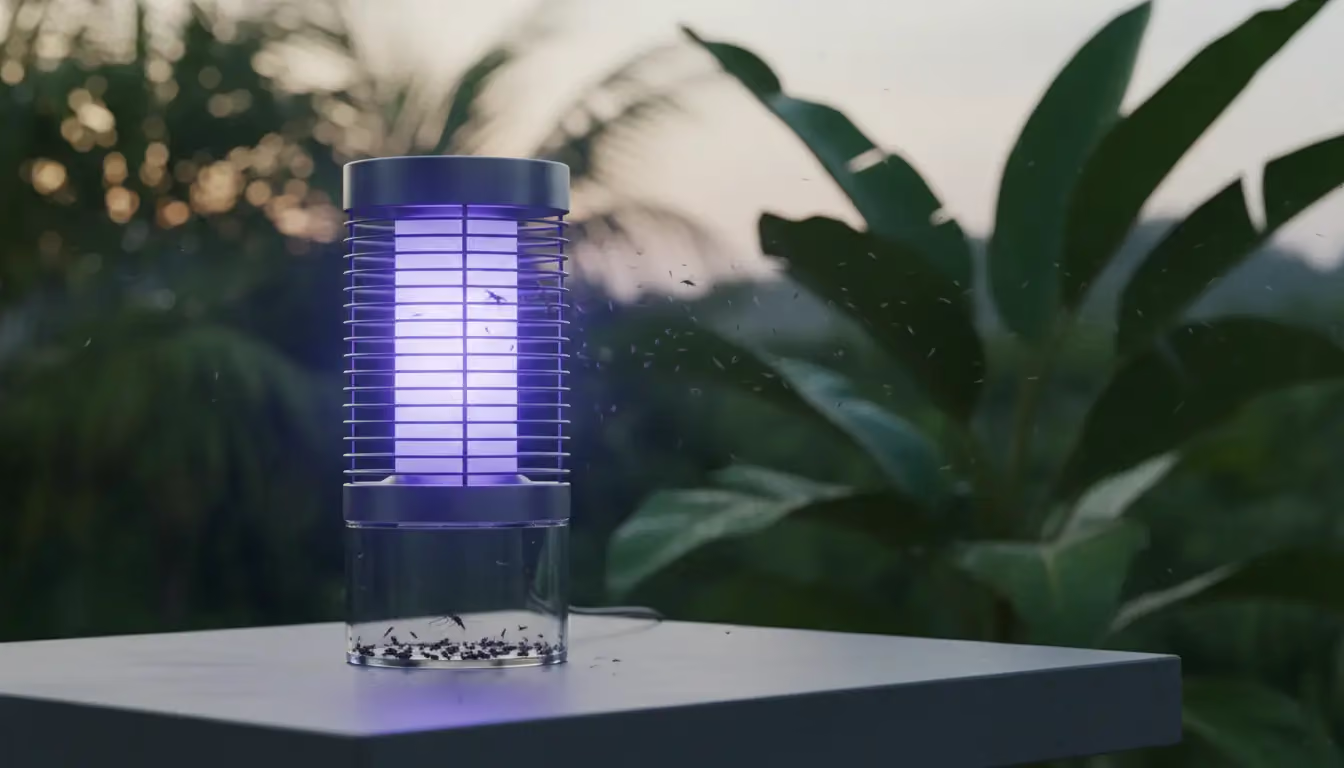
The core mechanism of a mosquito lamp relies on emitting electromagnetic radiation, often via LEDs or fluorescent tubes, to attract insects. Most available models utilize short-wavelength UV light to exploit the positive phototaxis of many invertebrates. Once the insect gets close, the device uses either an electrical grid to electrocute it, or a fan to suck the flying pest into a collection tray.
However, behavioral studies reveal that mosquitoes are more sensitive to thermal gradients than to brightness alone. A lamp that simply glows risks mainly trapping moths, flies, or midges, all while letting bloodthirsty mosquitoes slip right through. This is where the lamp's power and technical design come into play to maximize catch rates without harming insects beneficial to our ecosystems.
Is a UV lamp really effective against the tiger mosquito?
The tiger mosquito (Aedes albopictus) poses a unique challenge in 2026 due to its daytime activity. Since it bites primarily during the day, the appeal of a UV light source is greatly diminished by natural sunlight. To be effective against tiger populations, this lamp must feature a photocatalytic system. This process generates carbon dioxide through a chemical reaction, making it possible to attract tiger mosquitoes by simulating the presence of a mammal.
Without this biomimetic lure system, investing in a standard lamp often proves disappointing against mosquitoes of this species. In fact, reports by consumer advocacy groups like UFC-Que Choisir have consistently highlighted the shortcomings of low-end mosquito lamps that fail to significantly keep mosquitoes away outdoors. Garden Reclaimer's strategy relies specifically on incorporating these advanced lures to ensure genuine protection, even in broad daylight.
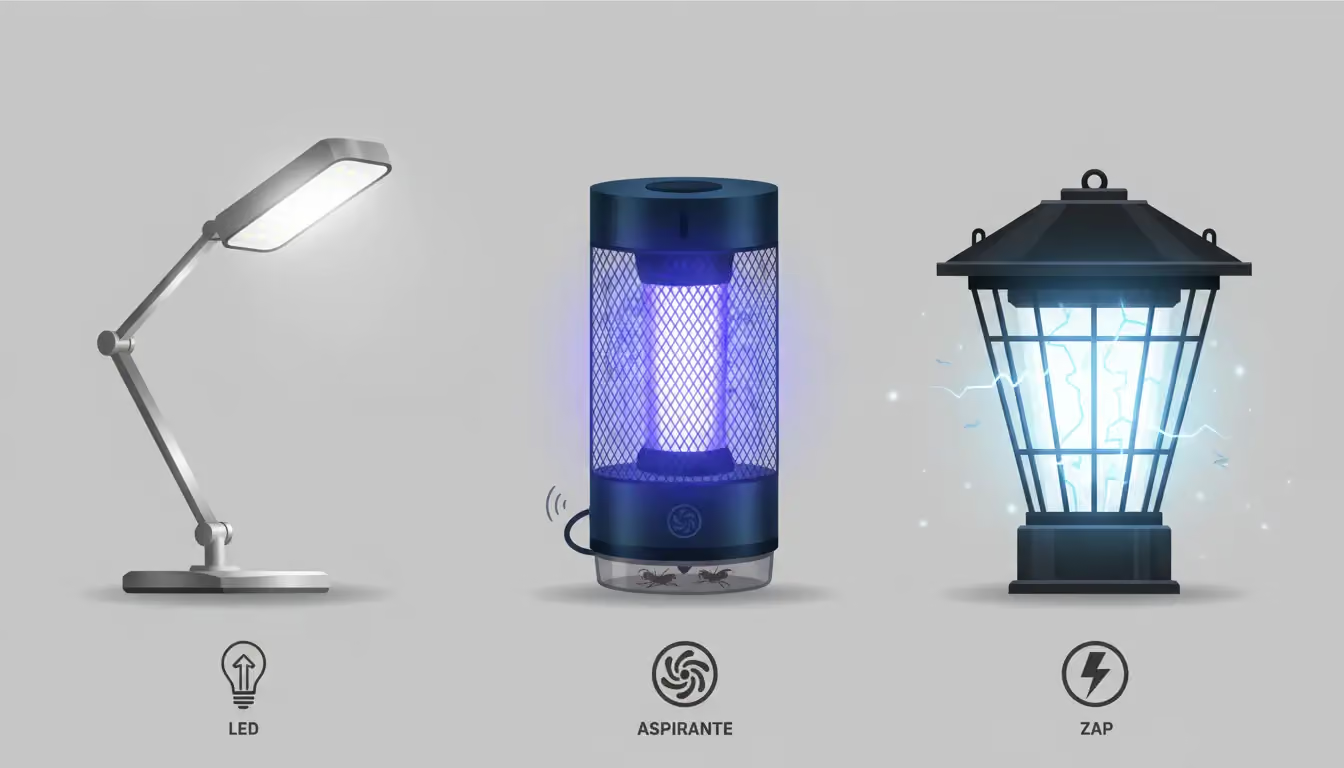
Comparison of lamp types: LED, suction, and high-voltage
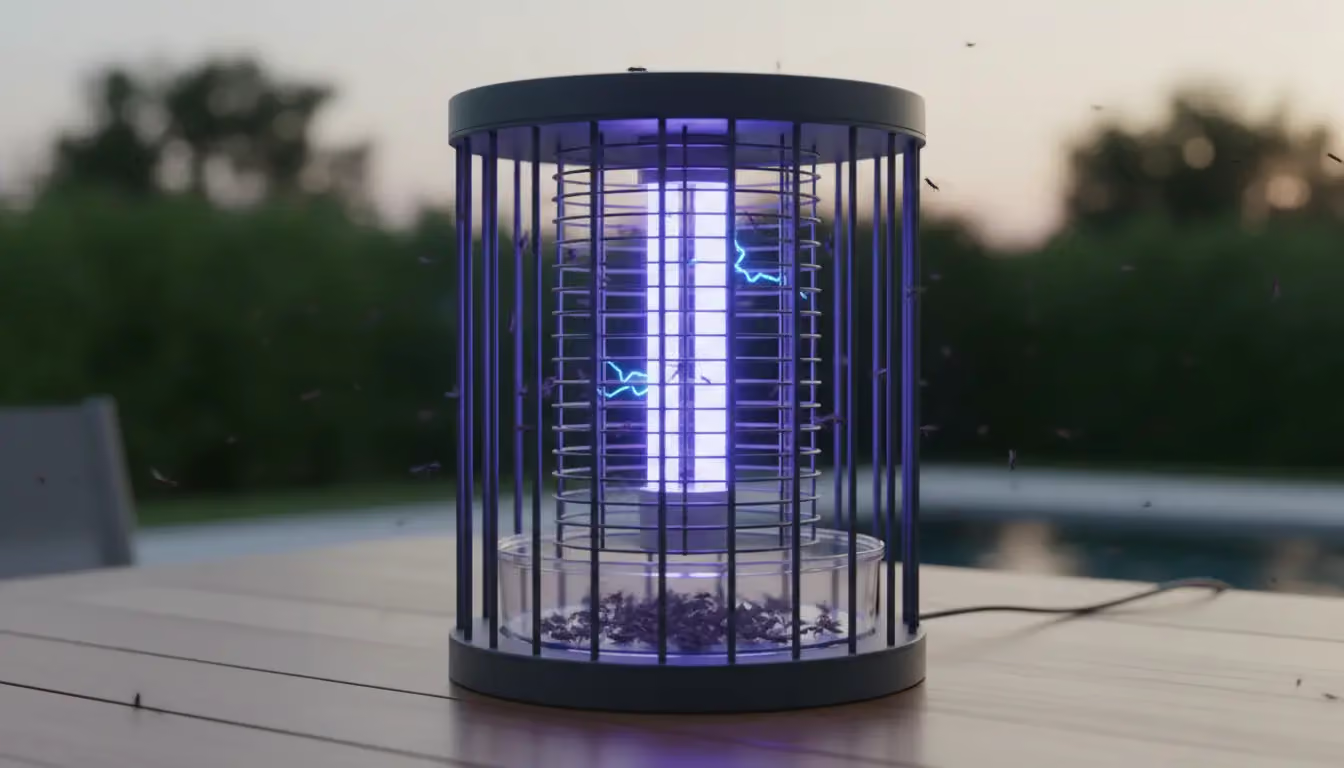
There are numerous models on the market, each offering varying levels of performance. The electric grid mosquito zapper is the oldest design; it instantly zaps the insect, often scattering fragments of dead mosquitoes around the device. In contrast, the suction-based lamp uses a quiet fan to trap pests inside a compartment where they dehydrate and die. This method is considered more hygienic and far quieter for summer evenings.
The high-voltage device
- This system relies on electric grid technology coupled with UV light. Its specific effectiveness against mosquitoes is considered low, except in total darkness. However, its ecological impact is high, as it indiscriminately destroys all flying insects, including beneficial species.
The suction device
- It combines the action of a mechanical fan and LED diodes. Its effectiveness on dipteran populations is considered moderate to high depending on the model. Its impact on the surrounding ecosystem remains moderate.
The photocatalytic device
- This technology integrates a synergy between CO2 production, heat, and UV radiation. It is the system with the highest effectiveness against mosquitoes, while maintaining a low ecological impact thanks to better capture selectivity.
Suction-based UV mosquito lamps are generally recommended for indoor use, whereas carbon dioxide systems are better suited for protecting a patio. It is essential to select the right device based on the coverage area and the observed density of pests.
Why do lamps often attract other insects but not mosquitoes?
A major flaw of conventional mosquito lamps is their lack of selectivity. Flying insects such as moths are instinctively attracted to light due to their nocturnal navigation system. In contrast, female mosquitoes—the only ones responsible for bites—are hardwired to seek out complex chemical signals. As a result, a basic lamp ends up killing mosquitoes only accidentally while decimating non-target insect populations.
This effect is harmful to the environment because it wipes out pollinators and vital links in the food chain. Garden Reclaimer takes a stand against this indiscriminate destruction. By utilizing 3D printing to produce specialized trap geometries, we are able to isolate the targeted pest. Our devices do not rely on light as the primary attractant, but merely as a short-range cue, ensuring that only blood-feeding insects are captured.
The Garden Reclaimer innovation: Beyond the simple mosquito lamp
Garden Reclaimer redefines mosquito control through a profound understanding of vector biology. The approach extends far beyond drawing insects toward a light source; it accurately replicates the olfactory and chemical cues emitted by a human body, tapping into the sensory mechanisms of female mosquitoes to trap them before they can ever bite.
Our devices are engineered to be installed away from active living areas. The strategy is to draw mosquitoes toward the trap rather than luring them right to your table. This diversion method is far more effective at preventing bites than any lamp placed between dinner guests. By tackling the problem at the source, Garden Reclaimer lets you enjoy your outdoor space without being bothered by mosquitoes.
Pros and cons of mosquito lamps in 2026
Using a light trap offers undeniable perks, notably the complete absence of airborne chemicals or sticky skin sprays. It is an ideal option for anyone allergic to insecticides or essential oils. What is more, a lamp operates autonomously once plugged into an outlet, delivering seamless, passive protection all night long.
However, there are notable drawbacks. Effectiveness is frequently restricted to a narrow perimeter, and power consumption—though reduced by LED technology—remains a factor to consider. Furthermore, to eliminate them for good, the lamp can only target flying adults, completely ignoring the standing water where larvae thrive. Effective control therefore demands a comprehensive approach that pairs physical barriers with the eradication of breeding grounds.

Recommendations for optimal protection against bites
To maximize the performance of your mosquito lamp, placement is paramount. It should be situated in a shaded area, shielded from drafts that could disperse the chemical attractants. It is also wise to turn it on a few hours before using the space to clear out any pests already present. In addition, installing a window screen remains the most reliable method for keeping mosquitoes out of your bedroom.
Here are some practical tips:
- Place the lamp at a height of about 1.5 meters.
- Regularly clean the tray to remove dead mosquitoes.
- Turn off other competing light sources.
- Combine the device with natural repellents like lemon eucalyptus if the infestation is severe.
Scientific alternatives to lamps: Ultrasonic devices and bracelets
Given the sheer number of options on the market, turning to ultrasonic devices or repellent wristbands can be tempting. Scientifically, however, these products have never proven capable of killing mosquitoes or even deterring them effectively. Mosquitoes are not fazed by sound frequencies, and a wristband's range is far too small to shield your entire body. In 2026, scientific consensus points to habitat management and active capture traps as the only proven solutions.
Garden Reclaimer provides water management solutions designed to disrupt the breeding cycle. By eliminating the threat before the insect becomes a winged pest, you reduce the need for a lamp or spray by 90%. This proactive approach is the key to a worry-free summer, free from the annoyance of mosquito bites.
Conclusion: Should you invest in a mosquito lamp?
Ultimately, an effective mosquito lamp only truly works as part of a comprehensive defense strategy. While such a mosquito lamp can help reduce insect numbers in a room, it cannot serve as your sole line of defense against aggressive species like the tiger mosquito. Technology must be grounded in an understanding of insect ecology to be truly effective.
Garden Reclaimer continues to innovate, delivering solutions that transcend the limitations of conventional lamps. By investing in products built on sound science and sustainable engineering, you protect your comfort while safeguarding your surrounding ecosystem. The fight against bites tomorrow won't be won with blinding light, but with precision engineering designed to lure them in flawlessly.
Key takeaways
- Standard lamps attract more moths than mosquitoes.
- To be effective, a lamp must simulate human breath (CO2).
- The tiger mosquito is not very sensitive to UV light alone.
- The Garden Reclaimer 3D-printed innovation offers superior selectivity.
- Eliminating standing water remains the top priority.
- Repellents like DEET are necessary supplements in high-risk areas.
Frequently Asked Questions (FAQ)
Where is the best place to put my mosquito lamp?
For maximum effectiveness, place your lamp in a dark spot, away from competing light sources and at a height of about 1.5 meters. It is best to position it between the suspected source of mosquitoes (such as a window or a garden) and your relaxation area, so you can intercept the insects before they reach you.
Is a mosquito lamp harmful to your health?
No, most modern lamps use LEDs or low-intensity UV light that is harmless to humans. Unlike chemical insecticides or mosquito coils, they do not emit toxic fumes, making them safe for indoor use, including in bedrooms.
Why does my lamp kill moths but not mosquitoes?
This happens because many flying insects are phototropic (attracted to light), whereas mosquitoes primarily seek out carbon dioxide and heat. To fix this, you should choose a model that mimics human breathing or pair it with a dedicated attractant.
Is the lamp effective against tiger mosquitoes during the day?
UV light is far less appealing to the tiger mosquito during the day due to competing sunlight. To target this species, it is essential to use photocatalytic traps or systems that release scent-based lures—technologies that Garden Reclaimer specializes in.
How long should I leave the lamp on?
It is recommended to plug in the lamp at least 2 to 3 hours before using a room. Ideally, it should be left on all night in entryways and hallways to capture pests as soon as they make their way inside.
Are there lamps that don't use any chemicals?
Yes, electric-grid and suction traps use no chemicals whatsoever. They rely entirely on physical mechanisms. However, to boost their efficiency, you can add organic attractant refills (such as lactic acid), which are natural and non-toxic.
Would you like me to write a specific guide on maintaining suction trap filters, or develop a comparative analysis of the energy consumption of different LED lamp models?