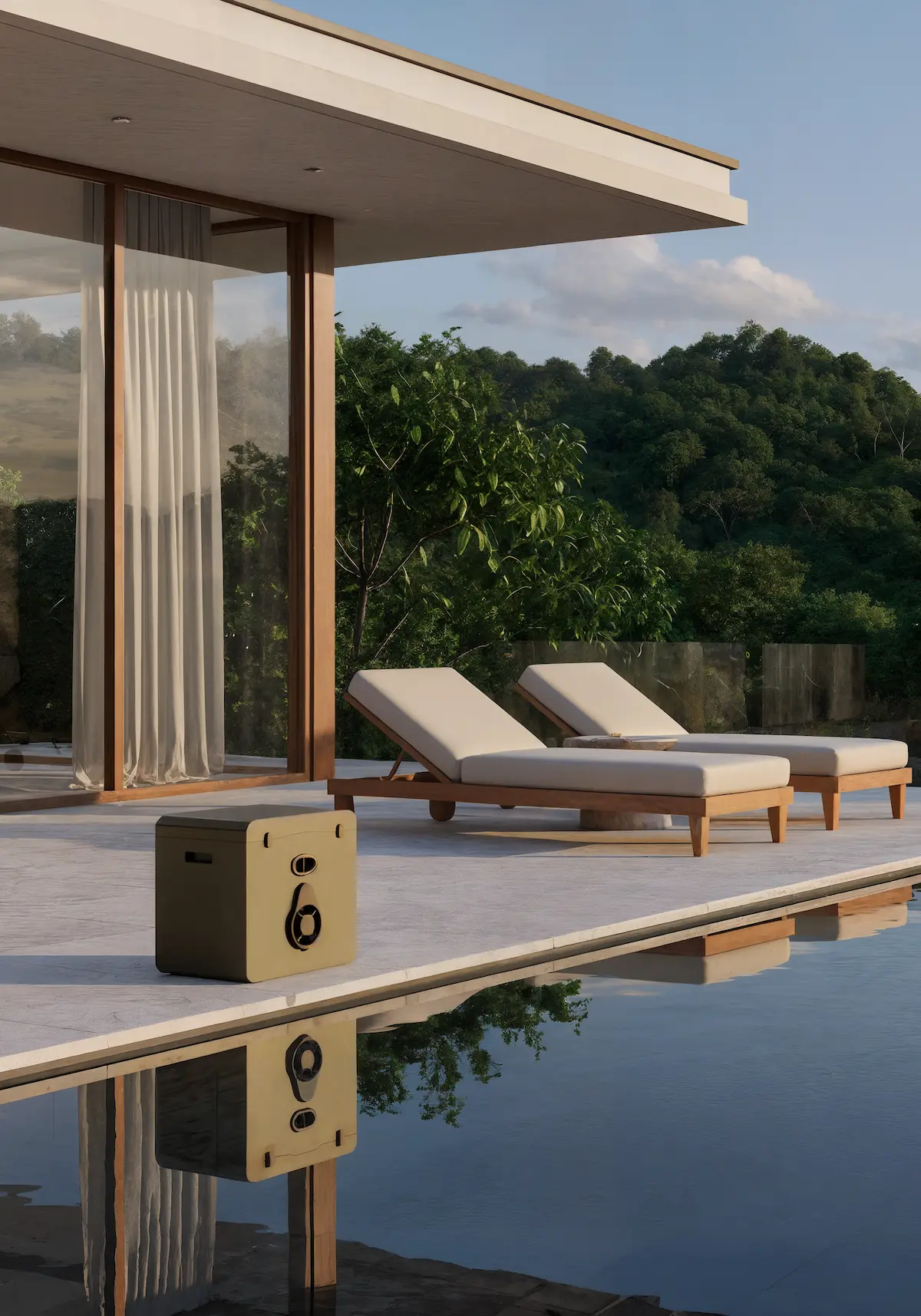


La Mosquito control is no longer a concern reserved for tropical areas. In metropolitan France, the expansion of the tiger mosquito (71 departments colonized in 2026) and the multiplication of indigenous cases of dengue and chikungunya have propelled this subject to the rank of public health priority. At Garden Reclaimer, manufacturer of Mosquito repellent terminal GréCo, we support individuals, professionals and communities in the choice of adapted control solutions.
The term covers all actions aimed at reducing the mosquito population in a given area. These actions are divided into four main families: chemical control, biological control, mechanical control and CO₂ attraction trapping. Each approach has advantages, limitations, and a different relationship between efficiency and environmental impact. This comparison helps you make an informed choice based on your situation.
An important point of context: the distinction between pest control and vector control. The first aims at the comfort of the inhabitants (to be able to enjoy your garden without pitting). The second relates to public health (preventing the transmission of diseases such as dengue, chikungunya or Zika). The solutions presented in this guide apply to both goals, but the resources and budgets differ depending on whether you are acting as an individual or as part of a public responsibility.
The 4 mosquito control methods deciphered
1. Chemical control: effective but controversial
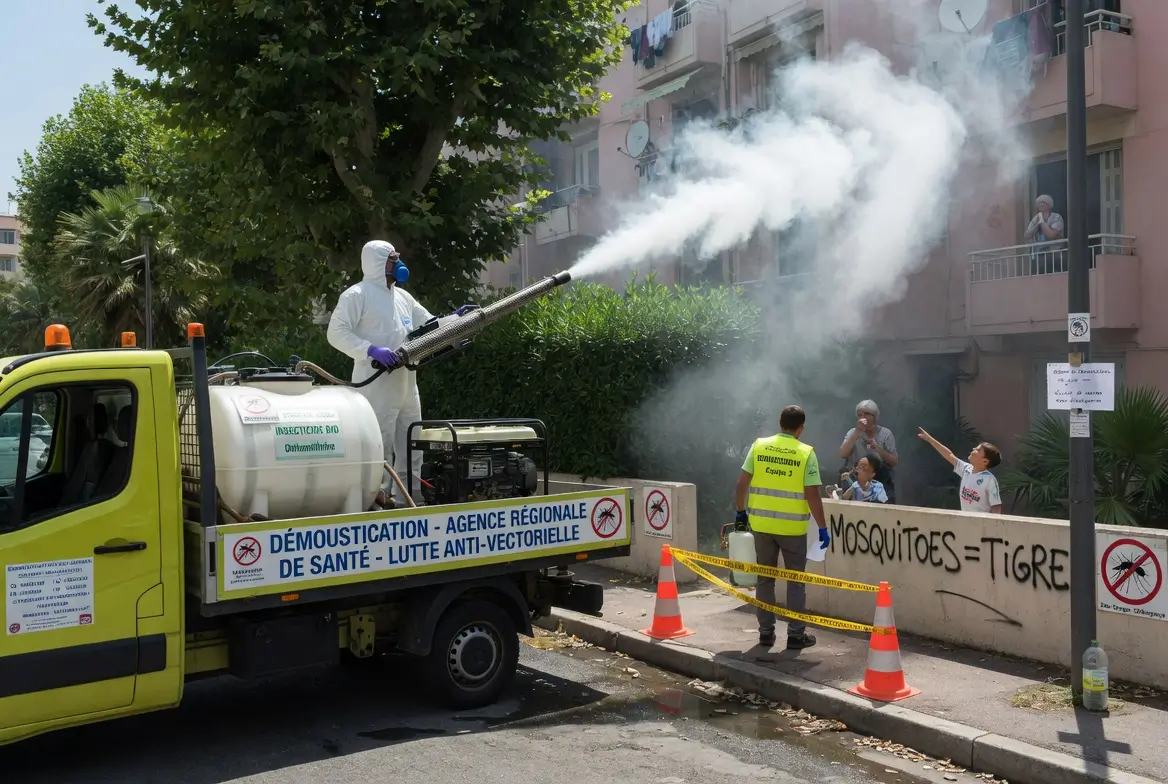
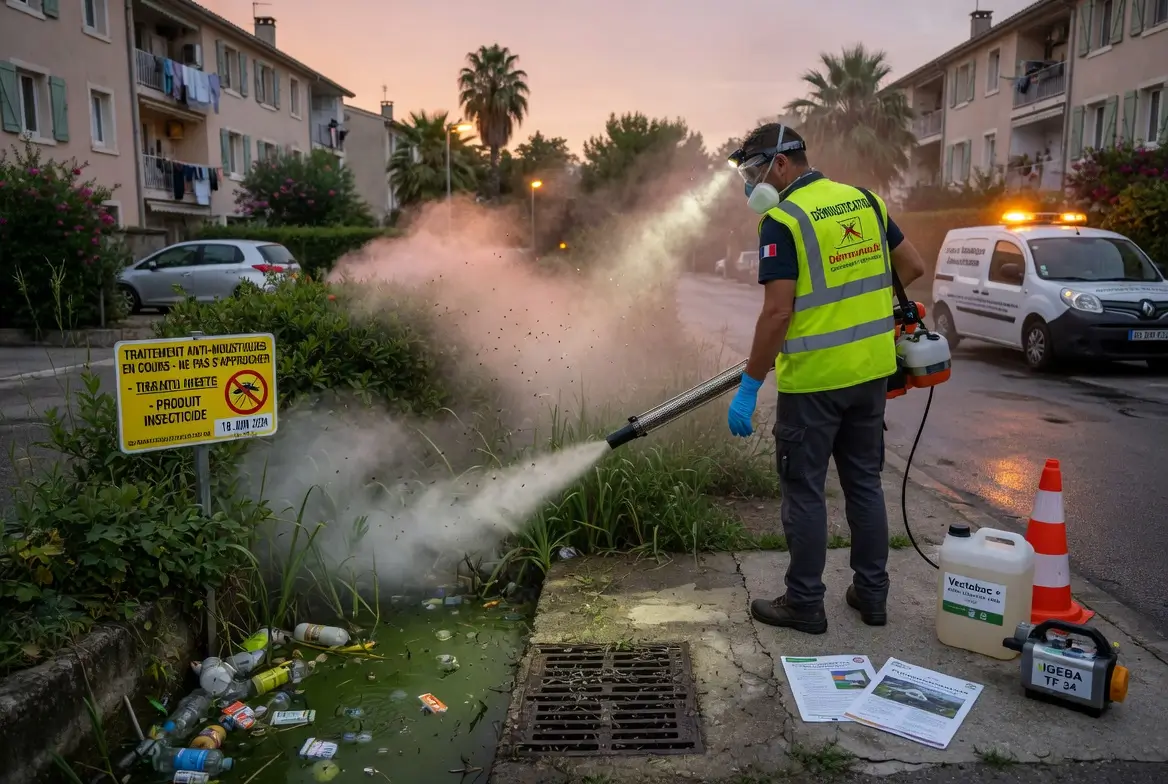
Spraying with insecticides (deltamethrin, synthetic pyrethroids) remains the most common method in public vector control operations. Spray trucks treat entire areas in a matter of hours, with an immediate effect on adult mosquitoes in the area.
However, there are major concerns with this approach. Pyrethroids don't just target mosquitos: they also decimate pollinators, garden helpers, and aquatic insects. The ANSES (National Health Security Agency) has classified several of these substances as potential endocrine disruptors. In addition, mosquito populations are gradually developing resistance to insecticides, forcing them to increase doses or to change molecules. At the regulatory level, the use of biocides in populated areas is increasingly regulated, with increasing restrictions in Natura 2000 areas and water catchment areas.

2. Biological control: Bti and natural predators
Bti (Bacillus thuringiensis var. israelensis) is a natural bacterium that produces toxins that are fatal to mosquito larvae. Spread in larval sites (swamps, ditches, reservoirs), it destroys larvae before they become biting adults. This is the method preferred by EID Mediterranean and most public vector control operators.
Bti is highly selective: it only affects dipteran larvae (mosquitoes, blackflies) and spares other aquatic organisms. Its main disadvantage is that it only acts on larvae and has no effect on adult mosquitoes already in flight. It also requires regular spraying (every 2 to 4 weeks) because its action is not persistent. For individuals, Bti exists in the form of tablets to be placed in points of stagnant water in the garden (saucers, collectors, gutters).
Natural predators (bats, swallows, dragonflies, gamwitzes) contribute to the regulation of mosquito populations, but their impact remains insufficient to ensure complete protection. A bat consumes 500 to 1,000 insects per night, including only 5 to 10% of which are mosquitoes according to available studies.
3. Mechanical control: suppressing larval sites
Removing standing water is the basis of any effective strategy. A 3 cm deep water plug is enough for a tiger mosquito to lay up to 300 eggs. Simple actions (empty the saucers, turn the buckets over, cover the water collectors, maintain the gutters) drastically reduce the number of breeding sites available.
This preventive approach is free, has no environmental impact and is complementary to all other methods. Its main defect is that it alone is not sufficient in areas under high pressure: it is impossible to control all the larval sites in a neighborhood (neighboring gardens, wastelands, gutters). To learn more about the larval cycle and best disposal practices, check out our article on Mosquito larvae.
4. Trapping by CO₂ attraction: targeted mosquito control
CO₂ traps replicate the human respiratory signal to attract and capture adult female mosquitoes. It is the only method that specifically targets biting females without affecting the rest of the ecosystem. The Garden Reclaimer GréCo terminal represents the state of the art of this technology: it concentrates atmospheric CO₂ without a gas bottle, combines four attractive signals (CO₂, heat, humidity, pheromones) and offers a radius of action of 60 meters.
CO₂ trapping is the most suitable method for the protection of specific living areas (terraces, gardens, campsites, restaurants). Its effectiveness is cumulative: each female caught means up to 300 eggs less. After 6 to 8 weeks of continuous operation, the local population falls by 80 to 95%. To learn more about GréCo technology, visit our page technology and operation.
Mosquito control comparison: which method for which situation?
This table compares the four approaches on the criteria that matter: efficiency, environmental impact, cost, and practicality. The GréCo terminal is distinguished by its balance between high performance and total respect for biodiversity.
Mosquito control in individuals: what strategy should be adopted?
For an individual with a garden, the most effective strategy combines the suppression of larval sites with an efficient CO₂ trap. The first measure is free and reduces the potential for local reproduction. The second actively captures adult females, breaking the reproductive cycle over several generations.
Concretely, here is the protocol recommended by Garden Reclaimer for a complete season:
- March—April : inspection of the garden, removal of all stagnant water, commissioning of the GréCo terminal.
- May-June : the trap works continuously and accumulates catches. The local population is gradually decreasing.
- July-September : peak of season. The cumulative effect of the trap reaches its maximum (80-95% reduction). Empty the catch net every 2 to 4 weeks.
- October-November : winterizing the trap, last inspection of the larval sites before winter.
For gardens of less than 200 m², a single GréCo terminal is sufficient. Beyond that, or for complex configurations, Request a free mesh diagnosis to determine the number and the optimal positioning of the terminals.
Professional mosquito control: campsites, restaurants, communities
Hotel and restaurant professionals and local authorities face specific requirements. The presence of mosquitoes has a direct impact on customer satisfaction, online reviews and turnover. Chemical treatments are less and less accepted by users and more and more regulated, especially in Natura 2000 areas and areas open to the public.

The GréCo terminal meets these constraints with a rental formula starting at €300/month, installation and maintenance included. This approach eliminates investment risk and ensures optimal operation throughout the season. Several establishments on the Mediterranean coast and in the Rhône Valley have adopted this solution with measurable results: a 70-90% reduction in mosquito-related complaints, improved ratings on review platforms.
An often underestimated advantage of CO₂ capture for professionals: discretion. Unlike sprays that emit an odor and generate concerns among customers, the GréCo terminal works silently (less than 40 dB) and does not emit any perceptible substances. It fits naturally into landscape design and can be installed in planters, behind hedges or in green spaces without altering the aesthetics of the place. For gourmet restaurants and high-end hotels, this invisibility is a decisive criterion.
Local authorities that manage public spaces (parks, playgrounds, cemeteries, leisure centers) also have adapted solutions. The network of GréCo terminals makes it possible to cover large areas without using chemical sprays, in total compliance with biodiversity and environmental regulations.
Why the GréCo terminal is changing the game in mosquito control
GréCo is different from other CO₂ traps by its atmospheric concentration reactor. This patented technology captures the CO₂ naturally present in the air (around 420 ppm) and concentrates it to generate a powerful attraction signal, without any gas bottles. It is a technological breakthrough that eliminates the main constraint of traditional pitfalls: the management of bottles.
The signal emitted combines four components that mimic the human signature: concentrated CO₂, heat to 37°C, controlled humidity and pheromonal lure. Female mosquitoes travel up this feather several tens of meters before being sucked into a retention net. The process is completely mechanical, insecticide free, chemical free, and safe for pollinators, pets, or children.
- Ported : 60 meters in radius, or about 1 hectare of coverage.
- Effectiveness : 80 to 95% reduction after 6 to 8 weeks.
- Cost of operation : €50 to €100 per season (attractive only).
- Lifespan : 10 years minimum, replaceable parts.
- Environmental impact : zero insecticide, zero emissions, selectivity greater than 98%.
Mosquito control and regulation: what the law says in 2026
Mosquito control is governed by several regulatory texts that it is useful to know before choosing a method.
The National Anti-Dissemination Plan (PNAD) coordinates the surveillance and control of arboviruses transmitted by the tiger mosquito. It assigns to the ARS (Regional Health Agencies) the responsibility for vector control around confirmed cases of dengue, chikungunya and Zika. These operations may include insecticide sprays in a perimeter of 150 meters around the patient's home.
For individuals, the use of biocides is free within their property, provided that they use approved products and respect the prescribed doses. However, the regulatory trend is towards restriction: several municipalities have taken orders limiting the use of pesticides in residential areas, especially near waterways and protected wetlands.
Mechanical traps (including the GréCo terminal) are not subject to any regulatory restrictions because they do not use any chemical products. This is a decisive advantage for professionals subject to strict environmental standards and for communities who want to protect their public spaces without being exposed to legal challenges. Some pioneer municipalities, particularly in Occitanie and PACA, have already integrated CO₂ terminals into their green space management strategy, in partial replacement of traditional chemical treatments.
The European framework is also evolving. The European regulation on biocidal products (528/2012) imposes increasingly stringent risk assessments for active substances used in mosquito control. Several commonly used molecules could see their authorization suspended in the coming years, reinforcing the interest of non-chemical alternatives. To identify which mosquito species are regulated in your area, check out our guide on The tiger mosquito and reporting.
FAQ: mosquito control
What is the most effective mosquito control method for a garden?
For a standard size garden (200 to 5,000 m²), the combination of larval breeding sites + autonomous CO₂ trap is the most effective combination. The Garden Reclaimer GréCo terminal offers an 85 to 95% reduction in the mosquito population after 6 to 8 weeks of operation. It does not require a gas cylinder or insecticide, and its operating cost (50 to 100€ per season) makes it accessible to individuals in the long term.
Is chemical control dangerous for health?
Insecticides used as sprays (deltamethrin, permethrin) present documented health risks. ANSES has classified several pyrethroids as potential endocrine disruptors. Repeated exposure can cause respiratory irritation, headaches, and, over the long term, effects on the nervous system. Fragile people (children, pregnant women, elderly people, asthmatics) are particularly vulnerable. This is why mechanical methods such as CO₂ capture are gaining ground among individuals and professionals concerned about their health.
How much does a professional mosquito control service cost?
A chemical spray service by an approved professional costs between €150 and €400 per pass, with a minimum of 3 to 4 passes per season, i.e. €600 to €1,600 per year. The Bti larval treatment costs 100 to 400€ per season depending on the surface treated. The GréCo terminal, with an initial investment of €1,200 and an operating cost of €50 to €100 per year, becomes more economical as early as the second season compared to professional chemical treatment. The rental formula (from €300/month) is suitable for professionals who wish to test without a commitment to purchase.
Is the Bti enough to protect a terrace?
Bti acts exclusively on mosquito larvae in waterholes. It is very effective in reducing local breeding, but it has no effect on adult mosquitoes already in flight that arrive from nearby properties or untreated areas. To protect a terrace against bites, you must complete the Bti with a trap targeting adults. The GréCo terminal captures biting females within a radius of 60 meters, offering direct protection of the living area that Bti alone cannot guarantee.
Can you call on the town hall for mosquito control?
Municipalities do not have a general obligation to fight mosquitoes, except in cases of proven health risk (case of dengue or indigenous chikungunya). In this case, it is the ARS that coordinates targeted treatment operations around the patient's home. Some municipalities located in highly impacted areas have dedicated municipal or intermunicipal services (such as the EID Méditerranée). For owners who want individual protection without waiting for public intervention, installing a GréCo terminal is the most autonomous and sustainable solution.